© Vitor Oliveira from Torres Vedras, PORTUGAL (2019)
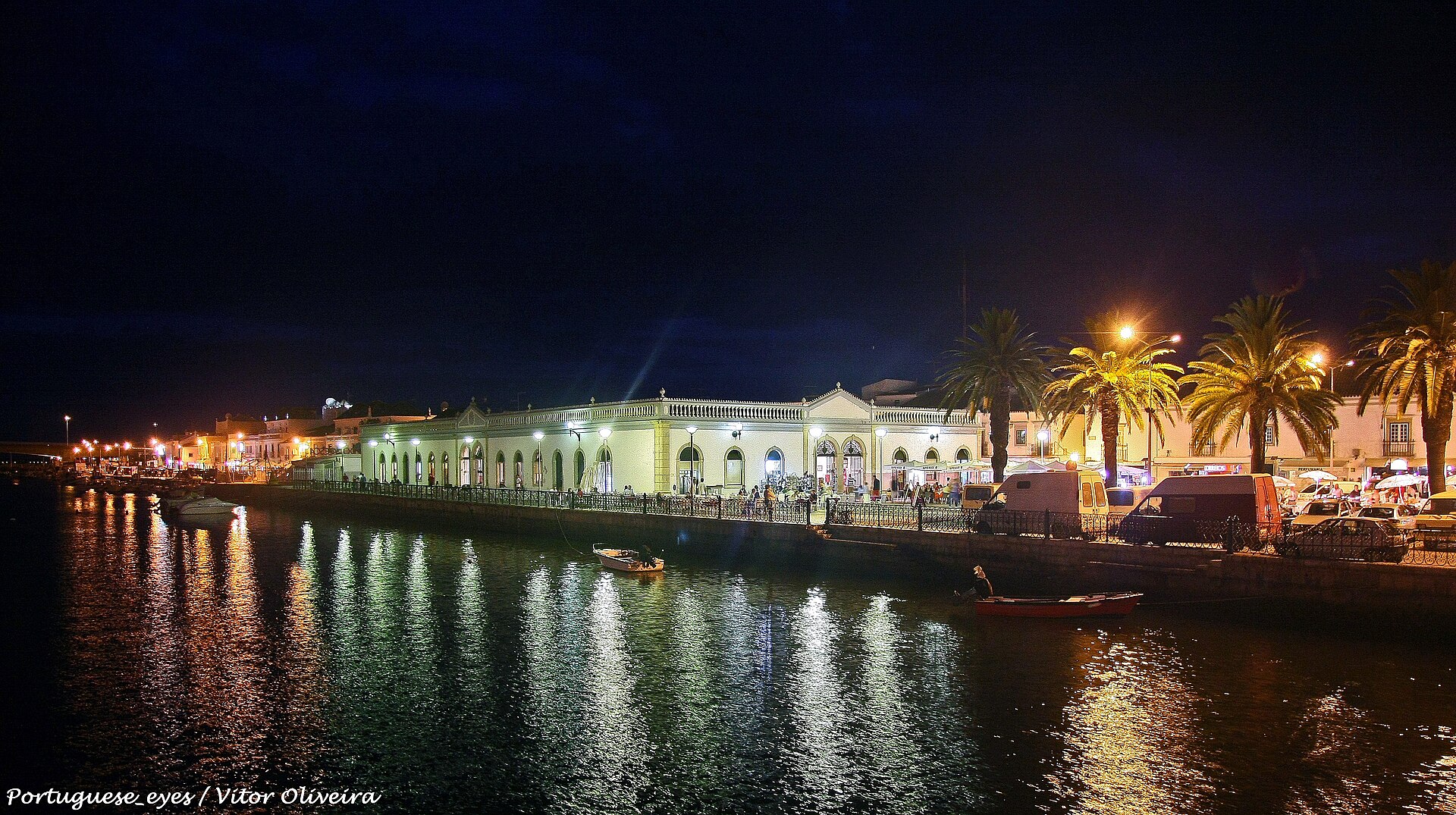
Mercado da Ribeira (The old market)
Industrial
Tavira's first covered market, an iron hall from 1887; today shops and restaurants....
A historical guide to the town
Tavira's first covered market, an iron hall from 1887; today shops and restaurants....
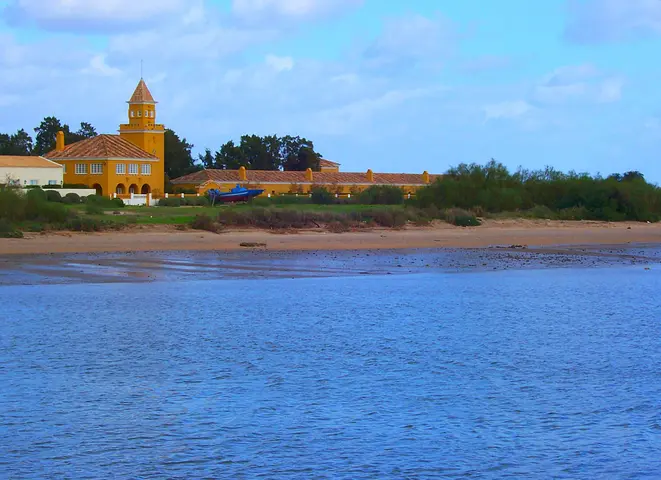
Tuna fishermen's camp from 1945 behind a wall at Quatro Águas; today a hotel with a tuna museum....
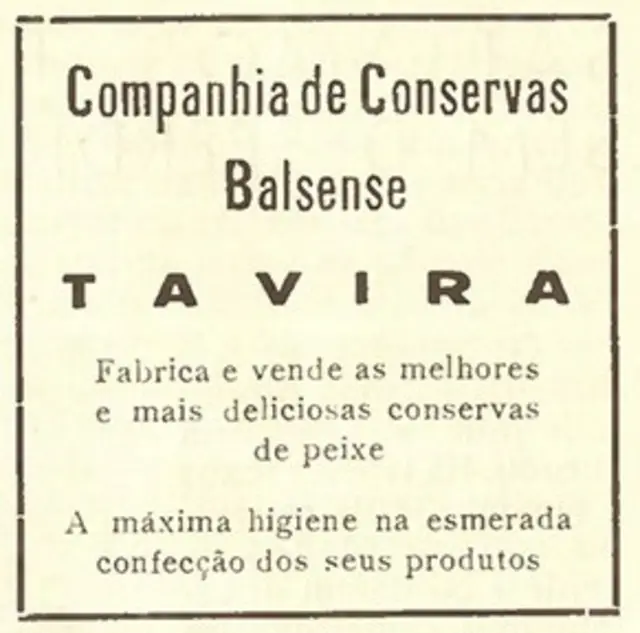
The cannery from 1917, the largest in town, closed in 1971; today a restaurant and nightclub....
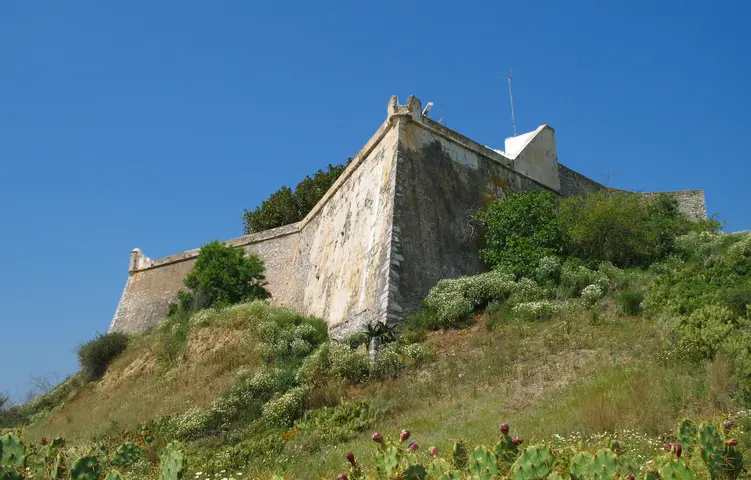
Church, fort and white houses on the cliff above the Ria Formosa, east of Tavira....
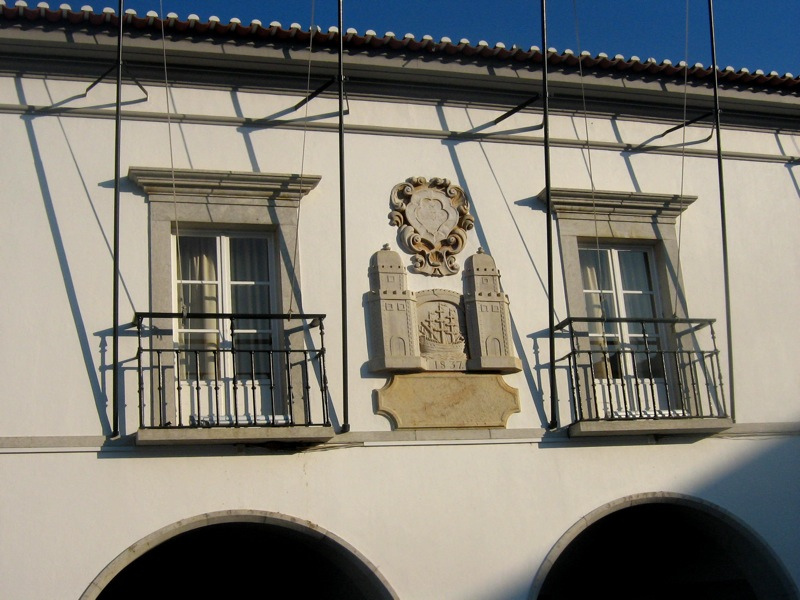
The town hall has stood on the square since 1645; the building is a 1954-55 copy with concrete arcades....
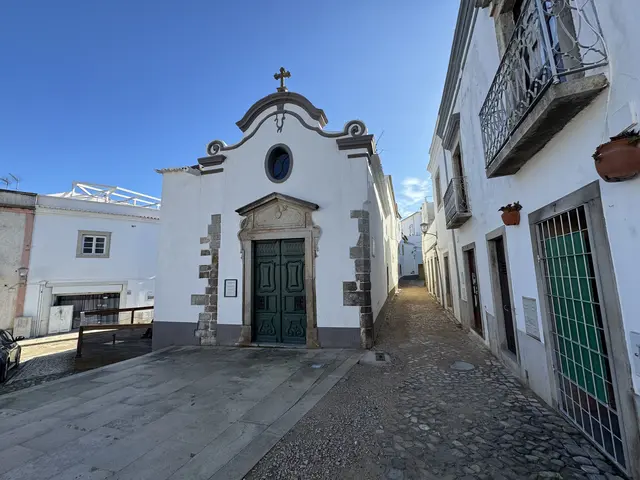
Small baroque chapel from 1758 by the old town gate, with a flaming heart above the door....
Stories3 stories
Thematic stories from the town's history — read or listen chapter by chapter.
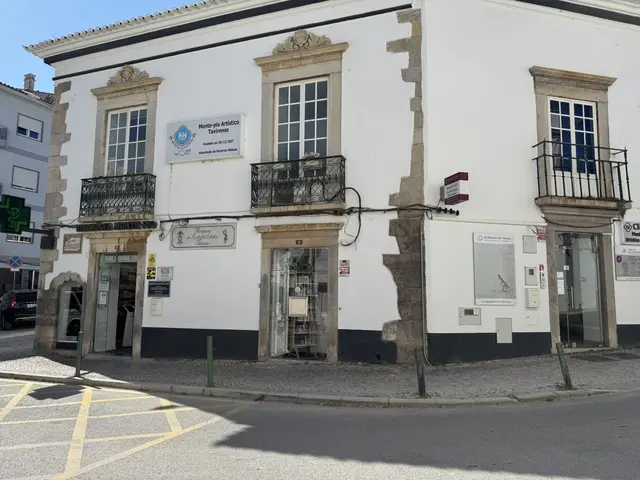
Site of the week
Pharmacy with a Manueline door, named after the craftsmen's mutual aid society from 1857.
Tavira rewards visitors who look beyond a checklist of monuments. The River Gilão divides a compact historic centre into two walkable banks, while the castle hill, old bridge, churches, market buildings and salt pans reveal how the town changed over more than two thousand years. You can use this guide to choose a first walk, understand the periods you are seeing and find a themed route when you want the fuller story.
Begin at Praça da República beside the Gilão. From here, the old bridge leads across the river and the steep lanes on the northern bank climb towards Tavira Castle. The bridge is often called Roman, but the structure visible today is largely the result of later rebuilding. That distinction captures Tavira well: familiar landmarks usually contain several historical layers rather than one simple date.
On the castle hill, walk through the garden inside the surviving walls and look across the tiled roofs, church domes, river and salt pans. Nearby, Santa Maria do Castelo occupies the area traditionally associated with the main mosque and still preserves a medieval Gothic core among later alterations. Palácio da Galeria, now part of the municipal museum, is a useful next stop because archaeology beneath the building connects the present street plan with much earlier settlements.
Archaeological finds on Santa Maria hill trace settlement back to the Iron Age and the Phoenician-Punic trading world. The Roman town of Balsa developed nearby, while the settlement beside the Gilão continued to benefit from routes linking the coast, river and inland Algarve. Islamic Tavira left walls, urban traces and objects that can be explored around the castle hill and the Islamic museum centre near Praça da República.
After the Portuguese conquest in 1242, churches and convents reshaped the skyline. Maritime trade later brought prosperity, expressed in Renaissance portals, Baroque interiors and distinctive hipped “treasury” roofs. The earthquake of 1755 damaged many buildings, so much of what you see is a record of repair and adaptation. In the nineteenth and twentieth centuries, tuna fishing, canning, markets, salt production and the railway tied everyday Tavira to wider industrial and commercial networks.
Choose the historic-centre walk for a clear first orientation across both riverbanks. The archaeological route is better when you want to read walls, excavations and buried remains. The Jewish story follows evidence and absences connected with a community that once lived within the town, while the industrial story turns to fish, factories, labour and the buildings left behind when Tavira’s economy changed. Each route gives context that a monument list cannot provide.
If you have more time, continue downstream towards the salt pans and Quatro Águas. This landscape links traditional salt extraction with the lagoons and birdlife of the Ria Formosa; boats from the waterfront or Quatro Águas continue to Tavira Island. The coast is not separate from the historic town: fishing, tuna processing, salt and access to the sea explain much of Tavira’s growth and later transformation.
Allow a morning for the centre and wear shoes suited to polished calçada and the uneven climb around the castle. Opening hours vary, especially for churches and smaller museum spaces, so check the individual place pages before relying on access to an interior. A practical day combines one themed walk with time by the river; add the salt pans or island only if you want the visit to extend beyond the compact centre.