1. Home
  2. Cities
List
Map
Timeline
Routes
Stories

Tavira

Ruínas Fenícias

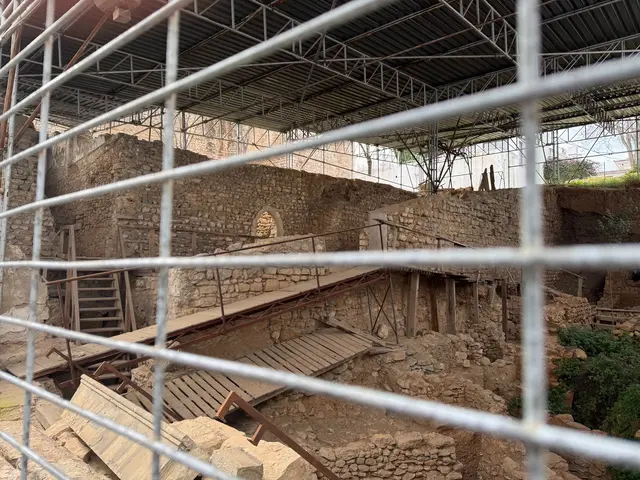
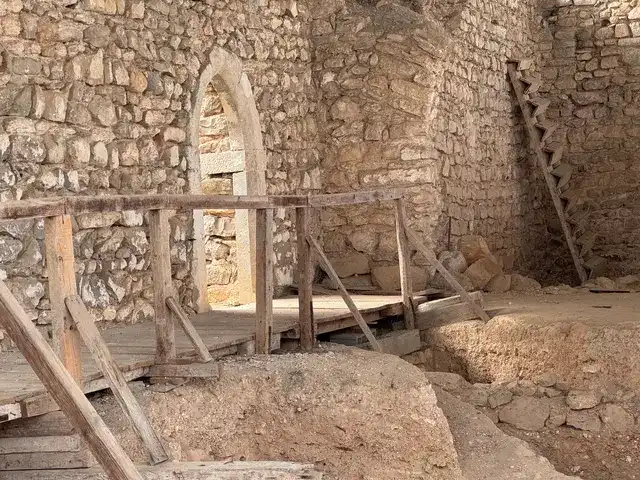
13 metres of Phoenician wall from the 8th century BC, the oldest piece of Tavira, seen through a fence.

Flemming Berthelsen
© Flemming Berthelsen (2025)

Periods

Pre-RomanIslamicMedieval

Tags

Photography SpotsScenic ViewMuseumMoorishIslamic HeritageMaritime History

Opening hours

Freely accessible The site is in the public space and can be visited at any time.

Introduction

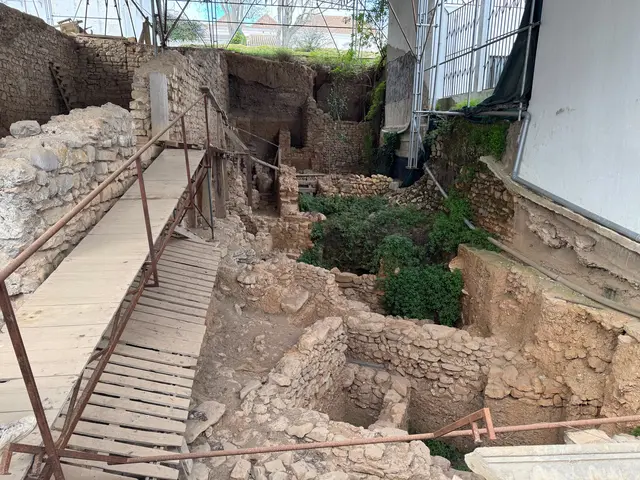
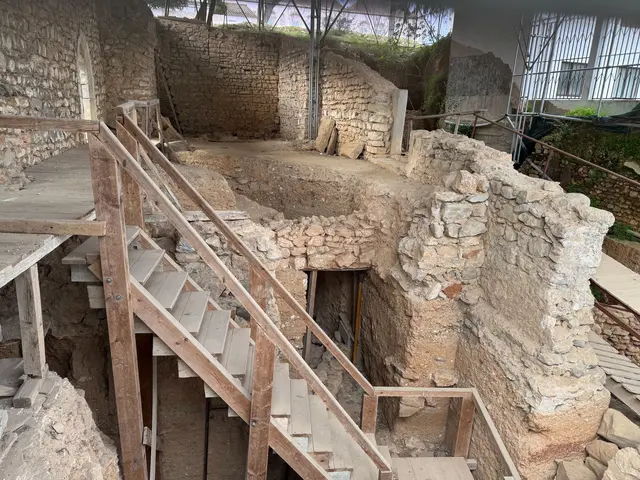
What you see through the fence on Calçada de D. Paio Peres Correia is a hole in the ground with stubs of wall in it. It does not look like much, but it is the oldest piece of town in Tavira. In 1997 the archaeologist Maria Maia uncovered here 13 metres of a Phoenician town wall from the second half of the 8th century BC, up to 9.5 metres thick, built of roughly dressed limestone in red clay. Beneath it lay the hut floors of the Bronze Age; on top of it houses, silver workshops, an altar, an Islamic street and the Corte-Real family's mansion. The municipality has plans for a museum on the site. Until it comes, you stand at the fence and look down.

Historical highlights

The wall of 1997

It began as a rescue excavation in 1997. Maria Maia and the Campo Arqueológico de Tavira found a wall of a type known from Cádiz and Carthage: two faces of roughly dressed limestone bonded with red clay, with cross walls between them, so that chambers formed, filled with loose blocks. It was built in two stages, both in the second half of the 8th century BC, and together they reach up to 9.5 metres in thickness. In the south-east corner sits a bastion that dives in under the Portuguese medieval wall.

Not a colony

The easy story is that the Phoenicians sailed here and set up a trading post. Maia rejects it. Beneath the wall lie hut floors and bowls from the Late Bronze Age; people lived here before any Phoenician came by. Late in the 8th century the village gets rectilinear stone houses, Phoenician pottery and a town wall, probably via Cádiz. With walls, a sanctuary, two harbours and a burial ground, it was a town, one of the first with a Phoenician stamp in the Iberian west. Who was in charge, nobody knows. Maia's guess is an immigrant upper class in the big house on this plot.

Silver and writing

By the inner face of the wall the excavators found a lime kiln, a clay tuyère and a small, soft bar of silver. Silver extraction was one of the town's sources of income. So there was something to put a wall around. From the same plot comes a potsherd with Phoenician letters on both sides, published in 2008 as an ostracon; late in the 7th century BC, then, people lived here who wrote and read Phoenician. The cult wells from the same period are not here but 60 metres to the north-west, under the Palácio da Galeria.

Layer upon layer

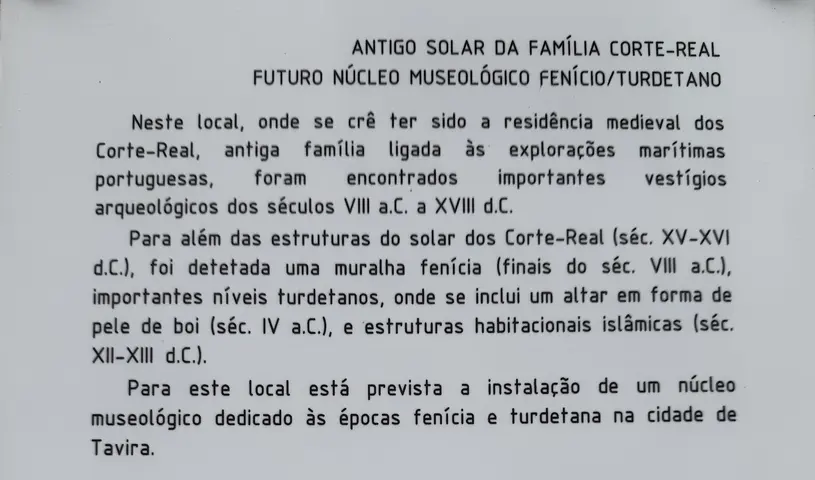
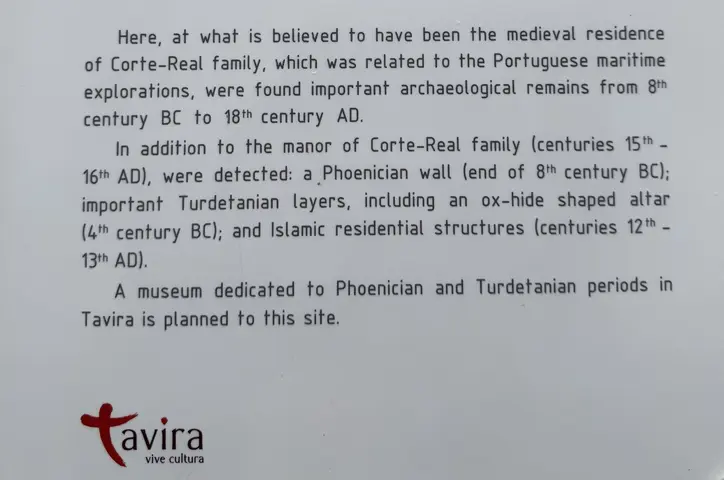
Around 500 BC the wall was destroyed and abandoned, and the settlement drew down towards the harbour. On top of the ruins lies an altar shaped like an oxhide, from the 4th century BC. The hill was abandoned in the 4th century BC according to Maia, others say not until the 1st century BC; the centre of gravity moved to Cerro do Cavaco and later Balsa. From the 11th century came the Moors, and in the 15th and 16th centuries the Corte-Real family built its mansion on top of it all. An Islamic street and a Gothic arch are among what has been uncovered.

Practical

The excavation is on Calçada de D. Paio Peres Correia, a few steps below the castle. There is no access; you look down over the field through the fence, and it is not large. The municipality calls the site "futuro Núcleo Fenício", but in 2026 the museum had no Phoenician section. The finds from here are in the Museu Municipal in the Palácio da Galeria, where the cult wells are too.

Timeline and context

Timeline

  • c. 1000-800 BC First settlement on the hill; hut floors beneath the wall.
  • Second half of the 8th century BC The casemate wall is built in two phases; stone houses and Phoenician pottery.
  • 749-687 BC Carbon-14 dating of the urn graves at Convento da Graça.
  • 7th century BC Silver workshops by the wall; potsherd with Phoenician writing; cult wells under the Palácio da Galeria.
  • c. 500 BC The wall is destroyed and abandoned; the settlement draws down towards the harbour.
  • 4th century BC Oxhide-shaped altar; the hill is abandoned according to Maia, the centre moves towards Balsa.
  • 11th century Islamic resettlement of the hill.
  • 15th-16th centuries The Corte-Real family's mansion on the plot.
  • 1997 Maria Maia uncovers the wall in a rescue excavation.
  • 1998-2007 Excavations in the Solar dos Corte Real; in 1999 the silver extraction is confirmed.
  • 2008 The potsherd is published as a Phoenician ostracon.
  • 2026 The museum section is still only planned.

Why the wall is here

The hill by the Gilão is the spot in Tavira that has been settled longest. The wall lies halfway down the south slope, facing the river, and Maia thinks it continued north-west down towards the inner harbour. Not a fort on a summit. A town wall around a town with two harbours, silversmiths and people who could write. When the Portuguese built their wall around the castle two thousand years later, they laid it on top of the Phoenicians' bastion. Same hill, same edge.

What you can see, and what you cannot

Not much, honestly. A fence and a field with stubs of wall on several levels, and from the street it is not easy to tell what is Phoenician and what is 16th century. The municipality calls it a future museum section; it has not opened. The pity is that what lies down there is the rarest thing in town: a wall of a type you otherwise have to go to Cádiz or Alicante to find a match for, and the proof that Tavira was a town eighteen hundred years before the Moors. The museum in the Palácio da Galeria has the finds and the wells. The wall you have to take on trust, and peer at through the wire mesh.

Additional research material is available for this site.

Ruínas Fenícias

Ruínas Fenícias - Flemming Berthelsen 1/6
©Flemming Berthelsen (2025)
Ruínas Fenícias - Flemming Berthelsen 2/6
©Flemming Berthelsen (2025)
Ruínas Fenícias - Flemming Berthelsen 3/6
©Flemming Berthelsen (2025)
Ruínas Fenícias - Flemming Berthelsen 4/6
©Flemming Berthelsen (2025)
Ruínas Fenícias - site.siteImage 5/6
Ruínas Fenícias - site.siteImage 6/6
Ruínas Fenícias
Show on map
Photography SpotsScenic ViewMuseumMoorishIslamic HeritageMaritime History

Introduction

What you see through the fence on Calçada de D. Paio Peres Correia is a hole in the ground with stubs of wall in it. It does not look like much, but it is the oldest piece of town in Tavira. In 1997 the archaeologist Maria Maia uncovered here 13 metres of a Phoenician town wall from the second half of the 8th century BC, up to 9.5 metres thick, built of roughly dressed limestone in red clay. Beneath it lay the hut floors of the Bronze Age; on top of it houses, silver workshops, an altar, an Islamic street and the Corte-Real family's mansion. The municipality has plans for a museum on the site. Until it comes, you stand at the fence and look down.

Research

Historical highlights

The wall of 1997

It began as a rescue excavation in 1997. Maria Maia and the Campo Arqueológico de Tavira found a wall of a type known from Cádiz and Carthage: two faces of roughly dressed limestone bonded with red clay, with cross walls between them, so that chambers formed, filled with loose blocks. It was built in two stages, both in the second half of the 8th century BC, and together they reach up to 9.5 metres in thickness. In the south-east corner sits a bastion that dives in under the Portuguese medieval wall.

Not a colony

The easy story is that the Phoenicians sailed here and set up a trading post. Maia rejects it. Beneath the wall lie hut floors and bowls from the Late Bronze Age; people lived here before any Phoenician came by. Late in the 8th century the village gets rectilinear stone houses, Phoenician pottery and a town wall, probably via Cádiz. With walls, a sanctuary, two harbours and a burial ground, it was a town, one of the first with a Phoenician stamp in the Iberian west. Who was in charge, nobody knows. Maia's guess is an immigrant upper class in the big house on this plot.

Silver and writing

By the inner face of the wall the excavators found a lime kiln, a clay tuyère and a small, soft bar of silver. Silver extraction was one of the town's sources of income. So there was something to put a wall around. From the same plot comes a potsherd with Phoenician letters on both sides, published in 2008 as an ostracon; late in the 7th century BC, then, people lived here who wrote and read Phoenician. The cult wells from the same period are not here but 60 metres to the north-west, under the Palácio da Galeria.

Layer upon layer

Around 500 BC the wall was destroyed and abandoned, and the settlement drew down towards the harbour. On top of the ruins lies an altar shaped like an oxhide, from the 4th century BC. The hill was abandoned in the 4th century BC according to Maia, others say not until the 1st century BC; the centre of gravity moved to Cerro do Cavaco and later Balsa. From the 11th century came the Moors, and in the 15th and 16th centuries the Corte-Real family built its mansion on top of it all. An Islamic street and a Gothic arch are among what has been uncovered.

Practical

The excavation is on Calçada de D. Paio Peres Correia, a few steps below the castle. There is no access; you look down over the field through the fence, and it is not large. The municipality calls the site "futuro Núcleo Fenício", but in 2026 the museum had no Phoenician section. The finds from here are in the Museu Municipal in the Palácio da Galeria, where the cult wells are too.

Research

Timeline and context

Timeline

  • c. 1000-800 BC First settlement on the hill; hut floors beneath the wall.
  • Second half of the 8th century BC The casemate wall is built in two phases; stone houses and Phoenician pottery.
  • 749-687 BC Carbon-14 dating of the urn graves at Convento da Graça.
  • 7th century BC Silver workshops by the wall; potsherd with Phoenician writing; cult wells under the Palácio da Galeria.
  • c. 500 BC The wall is destroyed and abandoned; the settlement draws down towards the harbour.
  • 4th century BC Oxhide-shaped altar; the hill is abandoned according to Maia, the centre moves towards Balsa.
  • 11th century Islamic resettlement of the hill.
  • 15th-16th centuries The Corte-Real family's mansion on the plot.
  • 1997 Maria Maia uncovers the wall in a rescue excavation.
  • 1998-2007 Excavations in the Solar dos Corte Real; in 1999 the silver extraction is confirmed.
  • 2008 The potsherd is published as a Phoenician ostracon.
  • 2026 The museum section is still only planned.

Why the wall is here

The hill by the Gilão is the spot in Tavira that has been settled longest. The wall lies halfway down the south slope, facing the river, and Maia thinks it continued north-west down towards the inner harbour. Not a fort on a summit. A town wall around a town with two harbours, silversmiths and people who could write. When the Portuguese built their wall around the castle two thousand years later, they laid it on top of the Phoenicians' bastion. Same hill, same edge.

What you can see, and what you cannot

Not much, honestly. A fence and a field with stubs of wall on several levels, and from the street it is not easy to tell what is Phoenician and what is 16th century. The municipality calls it a future museum section; it has not opened. The pity is that what lies down there is the rarest thing in town: a wall of a type you otherwise have to go to Cádiz or Alicante to find a match for, and the proof that Tavira was a town eighteen hundred years before the Moors. The museum in the Palácio da Galeria has the finds and the wells. The wall you have to take on trust, and peer at through the wire mesh.

Research

AI-generated content

The text and narration were created with artificial intelligence — the voice is synthetic. The content is reviewed editorially, but errors may occur.