1. Home
  2. Cities
List
Map
Timeline
Routes
Stories

Tavira

Igreja da Misericórdia

The Algarve's finest Renaissance portal, André Pilarte 1541, and tiles with the works of mercy.

Flemming Berthelsen
© Flemming Berthelsen (2025)

Periods

RenaissanceEnlightenment

Tags

Family FriendlyPhotography SpotsScenic ViewChurchMoorishMyths & Legends

Opening hours

Monday: 10:00 AM–12:30 PM, 2:00 PM–4:30 PM

Tuesday: 10:00 AM–12:30 PM, 2:00 PM–4:30 PM

Wednesday: 10:00 AM–12:30 PM, 2:00 PM–4:30 PM

Thursday: 10:00 AM–12:30 PM, 2:00 PM–4:30 PM

Friday: 10:00 AM–12:30 PM, 2:00 PM–4:30 PM

Saturday: 10:00 AM–12:30 PM

Sunday: Closed

Website

https://igrejamisericordia.wixsite.com/tavira

Wikipedia

Read more on Wikipedia

Introduction

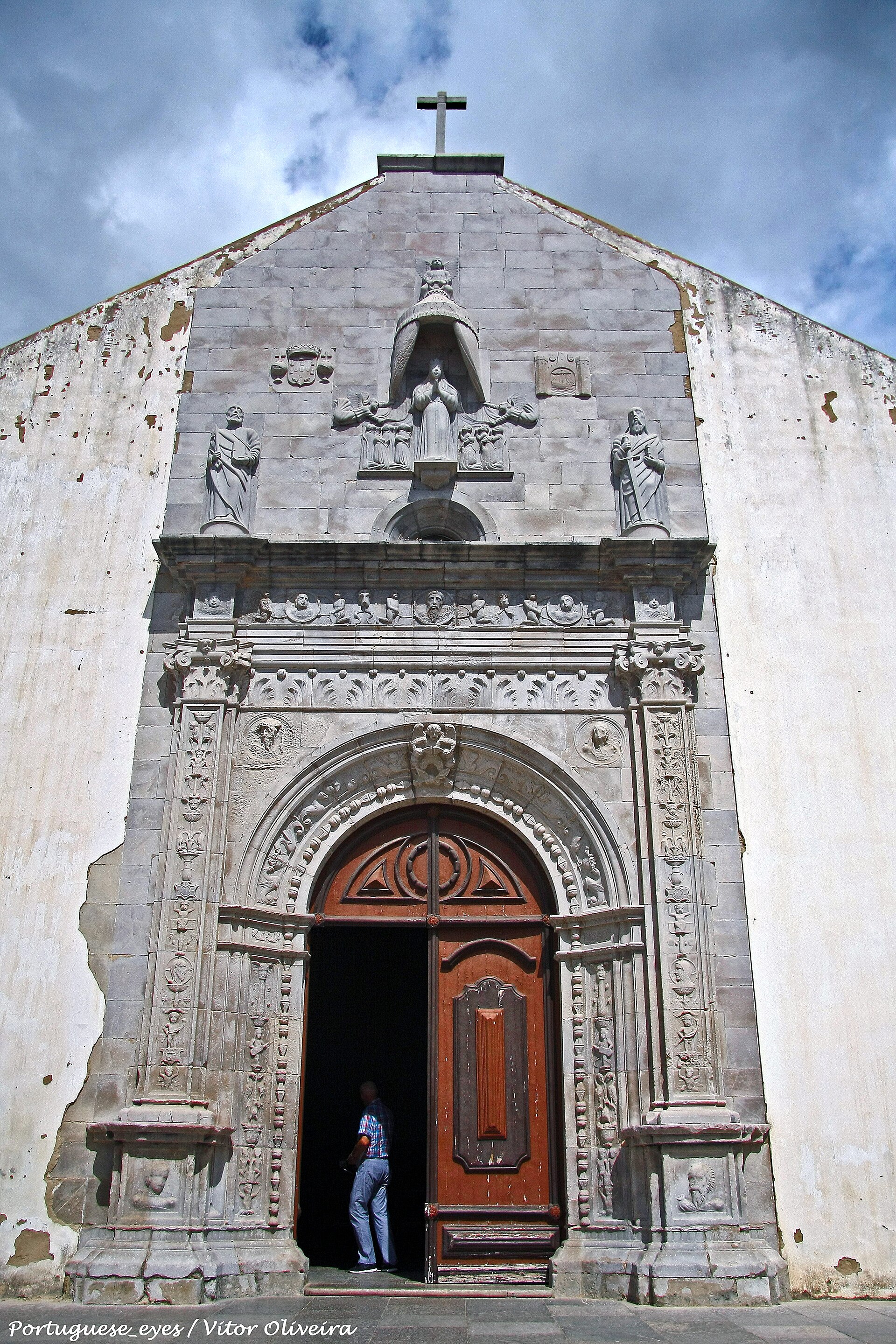
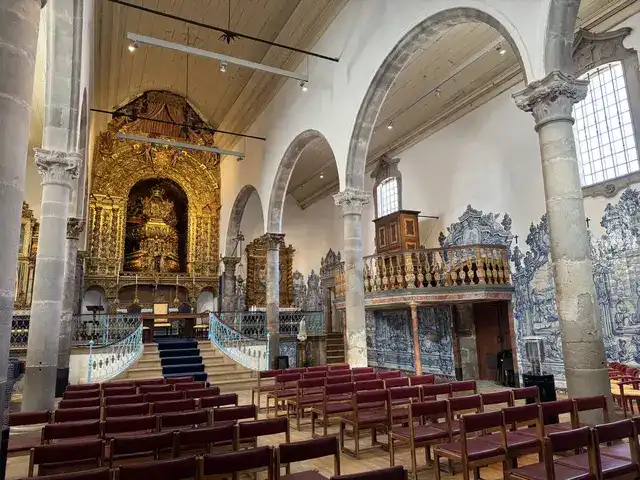
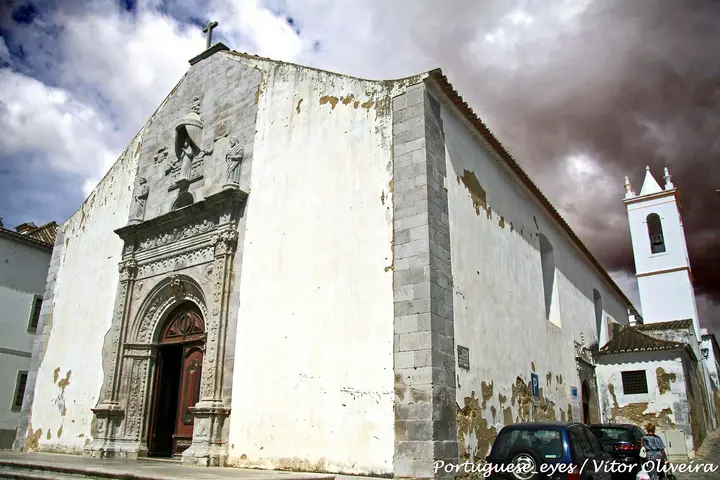
The portal is what you come for. André Pilarte, a master mason who had worked on the Jerónimos building site in Lisbon, carved it for the brotherhood of mercy under a contract from 1541 that demanded a portal "in the true Roman manner". This is Renaissance in the Algarve, early and better than most; Haupt, quoted in the state inventory, called it the best example of the Renaissance in the whole Algarve. The church behind it was finished in 1552, has three naves, which is rare for a Misericórdia church, and is covered inside with gilded woodcarving from 1722 and blue and white azulejos from 1760. The brotherhood still owns it and opened it as a museum in 2010.

Historical highlights

A contract and a master mason

The brotherhood dates from around 1498. On 24 November 1541 it signed a contract with "mestre André Pilart" for a new church, and the contract says what it must have: "its portal of dressed stone in the true Roman manner, an honourable portal, as befits a work such as this". Pilarte lived in Tavira and ran the town's most important stonemasons' workshop in the mid-1500s. The upper part of the portal came with a new contract in 1551, when the church was already finished, together with the sacristy and the Casa do Despacho. By August 1552 everything was done. The contract with Pilarte's signature still lies in the brotherhood's archive.

Three naves, gold and tiles

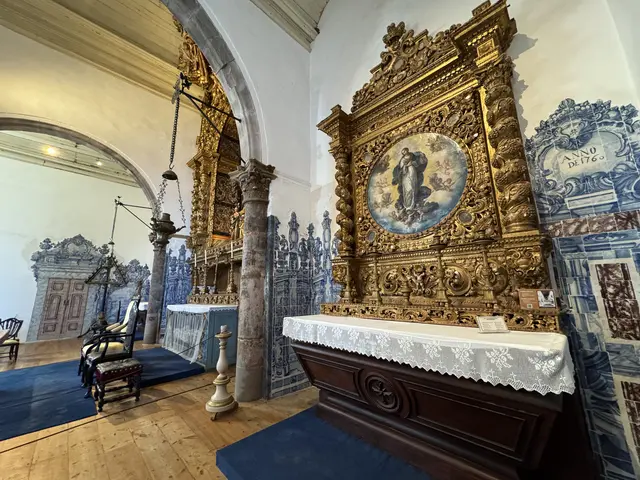
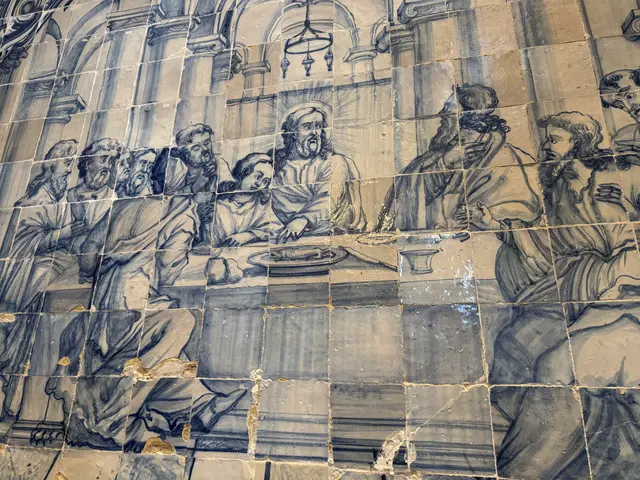
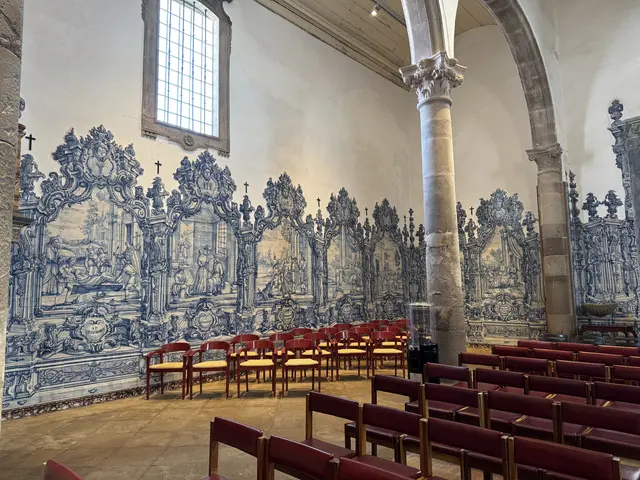
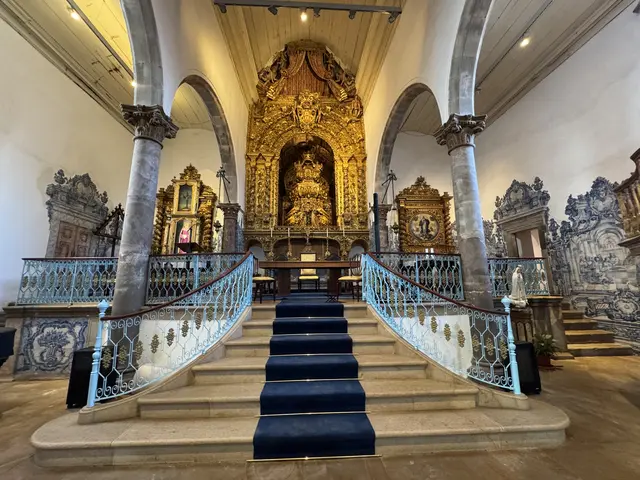
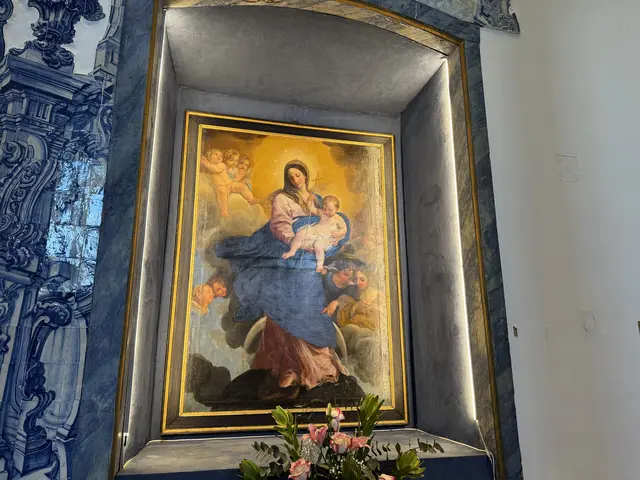
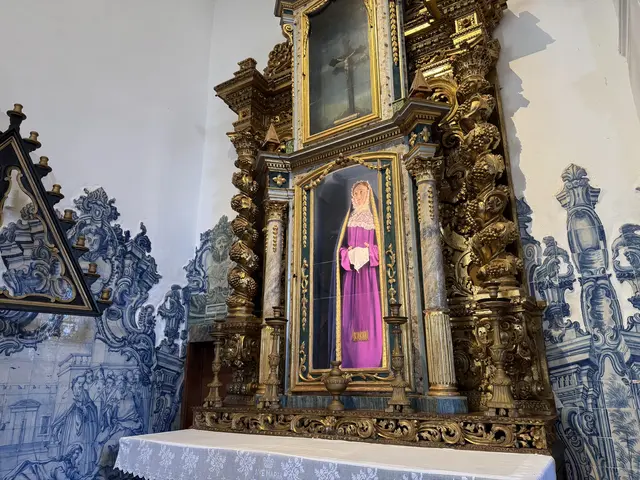
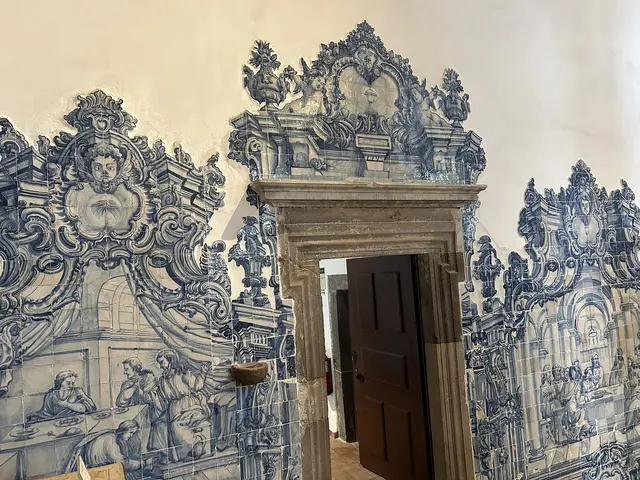
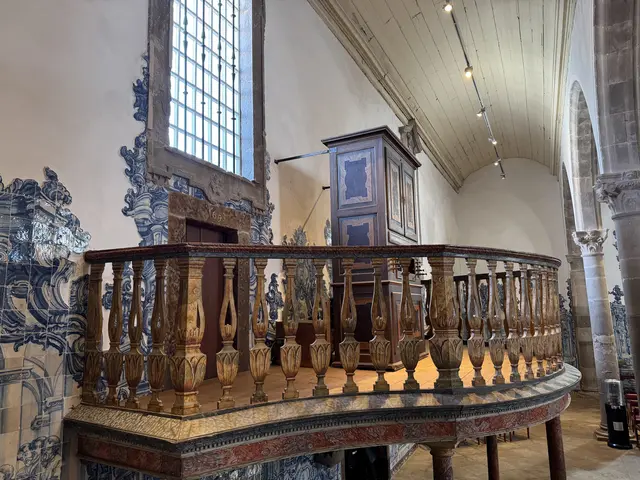
Inside it is a hall on columns in four bays, and the capitals are not alike; they fall into five models in the fanciful style of João III's day. The first high altar was put up in 1559. In 1722 the local woodcarver Manuel Abreu do Ó was commissioned to make a new high altar and two side altars in gilded talha. Then came the tiles. The year is painted by the side altar of Nossa Senhora da Conceição, "ANNO de 1760", and the panels from Lisbon show the fourteen works of mercy, the corporal ones on the Epistle side and the spiritual ones on the Gospel side, plus scenes from the life of Christ. Who painted them, the sources disagree on.

Decline and return

According to Turismo de Portugal the church served as parish church after the earthquake of 1755, until Santa Maria was reconsecrated in 1800; the Portuguese inventories do not mention it. The Republic of 1910 put a stop to the Easter processions. Listing came in 1943, the same year the roofs were reported in ruin. In 1958 Povo Algarvio wrote "A igreja da Misericórdia, suplica Misericórdia", and the state repaired roofs, ceilings and facades until 1970. That year the church was handed to the municipality for a museum of sacred art that never came about. In 1981 the Good Friday procession walked again, and in 2010 the church opened as a museum.

Practical

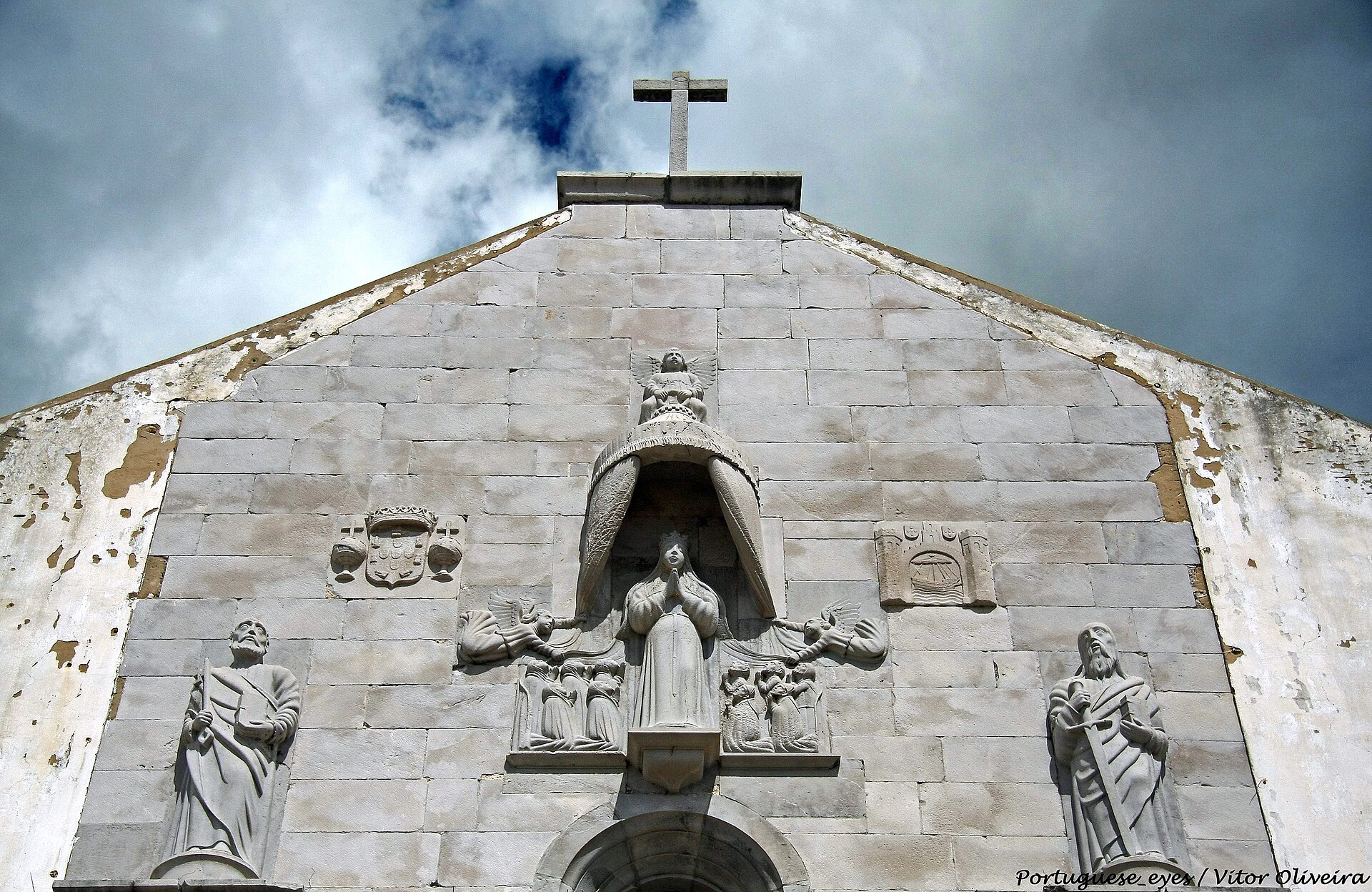
Stand facing the portal, not at an angle. It faces south, towards the street to one of the old town gates, so it could be seen head-on from a distance. In the pilasters there are grotesques with bowls, demons, swans and putti; in the arches sea horses, mermaids, eagles, griffins and a figure with a viola. Above the cornice a round window, above that Our Lady of Mercy under a canopy, the royal arms on the left, the town arms on the right and Peter and Paul at the top. Inside: find the year 1760 by the Conceição altar. The church and the old council rooms, the Salas do Despacho, are run as a museum by the Santa Casa; the rooms are used for exhibitions.

Timeline and context

Timeline

  • c. 1498 The brotherhood is founded; first mention 1501, when it moves out of the Franciscan friary.
  • 1516 Manuel I grants the Misericórdia de Tavira its Compromisso.
  • 24 November 1541 Contract with André Pilarte for a new church with a portal "in the true Roman manner".
  • April 1551 New contract for the upper part of the portal, the sacristy and the Casa do Despacho.
  • August 1552 Building work completed.
  • 1555-59 First high altar commissioned from Pedro de Campania and installed.
  • 1722 New high altar and two side altars in gilded talha by Manuel Abreu do Ó.
  • 1755-1800 According to Turismo de Portugal, parish church until Santa Maria is reconsecrated.
  • 1760 Azulejo panels with the fourteen works of mercy.
  • 1811 A bell tower replaces the bell gable above the portal.
  • 1910 The Republic; the Easter ceremonies cease.
  • 1943 Listed as Imóvel de Interesse Público; the roofs in ruin.
  • 1981 The Good Friday procession is resumed.
  • 2010 The church opens as Igreja e Casa Museu.

Why it faces the wrong way

Churches face east-west. This one turns its facade south, towards the street that led to a town gate, and that is not carelessness. The state inventory reads it as a deliberate Renaissance move: the church was to be seen from the front and fill the streetscape. It fits the contract, which demands an "honourable" portal, and Pilarte, who had seen what was being built in Lisbon. A small provincial town got a facade that Haupt found no equal to in the Algarve.

It is still their church

Most churches of that age have ended up with the state or the parish. This one is still owned by the Santa Casa da Misericórdia de Tavira, which had its seat here until 1986 and, according to Barlavento, sits on the town's oldest known archive, with parchments from 1425 and Pilarte's contract from 1541. The brotherhood today runs care homes, and the church is its museum. That makes it less of a monument and more of a workplace, a better fate than the museum of sacred art that never came about.

Additional research material is available for this site.

Igreja da Misericórdia

Igreja da Misericórdia - Flemming Berthelsen 1/12
©Flemming Berthelsen (2025)
Igreja da Misericórdia - Vitor Oliveira from Torres Vedras, PORTUGAL, CC BY-SA 2.0 <https://creativecommons.org/licenses/by-sa/2.0>, via Wikimedia Commons 2/12
©Vitor Oliveira from Torres Vedras, PORTUGAL, CC BY-SA 2.0 <https://creativecommons.org/licenses/by-sa/2.0>, via Wikimedia Commons (2013)
Igreja da Misericórdia - PatrickIzzy, CC0, via Wikimedia Commons 3/12
©PatrickIzzy, CC0, via Wikimedia Commons (2024)
Igreja da Misericórdia - Flemming Berthelsen 4/12
©Flemming Berthelsen (2025)
Igreja da Misericórdia - Flemming Berthelsen 5/12
©Flemming Berthelsen (2025)
Igreja da Misericórdia - Flemming Berthelsen 6/12
©Flemming Berthelsen (2025)
Igreja da Misericórdia - Flemming Berthelsen 7/12
©Flemming Berthelsen (2025)
Igreja da Misericórdia - Flemming Berthelsen 8/12
©Flemming Berthelsen (2025)
Igreja da Misericórdia - Flemming Berthelsen 9/12
©Flemming Berthelsen (2025)
Igreja da Misericórdia - Flemming Berthelsen 10/12
©Flemming Berthelsen (2025)
Igreja da Misericórdia - <a rel="nofollow" class="external text" href="https://www.flickr.com/people/21446942@N00">Vitor Oliveira</a> from Torres Vedras, PORTUGAL 11/12
©Vitor Oliveira from Torres Vedras, PORTUGAL (2019)
Igreja da Misericórdia - <a rel="nofollow" class="external text" href="https://www.flickr.com/people/21446942@N00">Vitor Oliveira</a> from Torres Vedras, PORTUGAL 12/12
©Vitor Oliveira from Torres Vedras, PORTUGAL (2019)
Igreja da Misericórdia
WikipediaShow on map
Family FriendlyPhotography SpotsScenic ViewChurchMoorishMyths & Legends

Introduction

The portal is what you come for. André Pilarte, a master mason who had worked on the Jerónimos building site in Lisbon, carved it for the brotherhood of mercy under a contract from 1541 that demanded a portal "in the true Roman manner". This is Renaissance in the Algarve, early and better than most; Haupt, quoted in the state inventory, called it the best example of the Renaissance in the whole Algarve. The church behind it was finished in 1552, has three naves, which is rare for a Misericórdia church, and is covered inside with gilded woodcarving from 1722 and blue and white azulejos from 1760. The brotherhood still owns it and opened it as a museum in 2010.

Research

Look for this

Historical highlights

A contract and a master mason

The brotherhood dates from around 1498. On 24 November 1541 it signed a contract with "mestre André Pilart" for a new church, and the contract says what it must have: "its portal of dressed stone in the true Roman manner, an honourable portal, as befits a work such as this". Pilarte lived in Tavira and ran the town's most important stonemasons' workshop in the mid-1500s. The upper part of the portal came with a new contract in 1551, when the church was already finished, together with the sacristy and the Casa do Despacho. By August 1552 everything was done. The contract with Pilarte's signature still lies in the brotherhood's archive.

Three naves, gold and tiles

Inside it is a hall on columns in four bays, and the capitals are not alike; they fall into five models in the fanciful style of João III's day. The first high altar was put up in 1559. In 1722 the local woodcarver Manuel Abreu do Ó was commissioned to make a new high altar and two side altars in gilded talha. Then came the tiles. The year is painted by the side altar of Nossa Senhora da Conceição, "ANNO de 1760", and the panels from Lisbon show the fourteen works of mercy, the corporal ones on the Epistle side and the spiritual ones on the Gospel side, plus scenes from the life of Christ. Who painted them, the sources disagree on.

Decline and return

According to Turismo de Portugal the church served as parish church after the earthquake of 1755, until Santa Maria was reconsecrated in 1800; the Portuguese inventories do not mention it. The Republic of 1910 put a stop to the Easter processions. Listing came in 1943, the same year the roofs were reported in ruin. In 1958 Povo Algarvio wrote "A igreja da Misericórdia, suplica Misericórdia", and the state repaired roofs, ceilings and facades until 1970. That year the church was handed to the municipality for a museum of sacred art that never came about. In 1981 the Good Friday procession walked again, and in 2010 the church opened as a museum.

Practical

Stand facing the portal, not at an angle. It faces south, towards the street to one of the old town gates, so it could be seen head-on from a distance. In the pilasters there are grotesques with bowls, demons, swans and putti; in the arches sea horses, mermaids, eagles, griffins and a figure with a viola. Above the cornice a round window, above that Our Lady of Mercy under a canopy, the royal arms on the left, the town arms on the right and Peter and Paul at the top. Inside: find the year 1760 by the Conceição altar. The church and the old council rooms, the Salas do Despacho, are run as a museum by the Santa Casa; the rooms are used for exhibitions.

Research

Timeline and context

Timeline

  • c. 1498 The brotherhood is founded; first mention 1501, when it moves out of the Franciscan friary.
  • 1516 Manuel I grants the Misericórdia de Tavira its Compromisso.
  • 24 November 1541 Contract with André Pilarte for a new church with a portal "in the true Roman manner".
  • April 1551 New contract for the upper part of the portal, the sacristy and the Casa do Despacho.
  • August 1552 Building work completed.
  • 1555-59 First high altar commissioned from Pedro de Campania and installed.
  • 1722 New high altar and two side altars in gilded talha by Manuel Abreu do Ó.
  • 1755-1800 According to Turismo de Portugal, parish church until Santa Maria is reconsecrated.
  • 1760 Azulejo panels with the fourteen works of mercy.
  • 1811 A bell tower replaces the bell gable above the portal.
  • 1910 The Republic; the Easter ceremonies cease.
  • 1943 Listed as Imóvel de Interesse Público; the roofs in ruin.
  • 1981 The Good Friday procession is resumed.
  • 2010 The church opens as Igreja e Casa Museu.

Why it faces the wrong way

Churches face east-west. This one turns its facade south, towards the street that led to a town gate, and that is not carelessness. The state inventory reads it as a deliberate Renaissance move: the church was to be seen from the front and fill the streetscape. It fits the contract, which demands an "honourable" portal, and Pilarte, who had seen what was being built in Lisbon. A small provincial town got a facade that Haupt found no equal to in the Algarve.

It is still their church

Most churches of that age have ended up with the state or the parish. This one is still owned by the Santa Casa da Misericórdia de Tavira, which had its seat here until 1986 and, according to Barlavento, sits on the town's oldest known archive, with parchments from 1425 and Pilarte's contract from 1541. The brotherhood today runs care homes, and the church is its museum. That makes it less of a monument and more of a workplace, a better fate than the museum of sacred art that never came about.

Research

AI-generated content

The text and narration were created with artificial intelligence — the voice is synthetic. The content is reviewed editorially, but errors may occur.