Tavira
Igreja de Santa Maria do Castelo
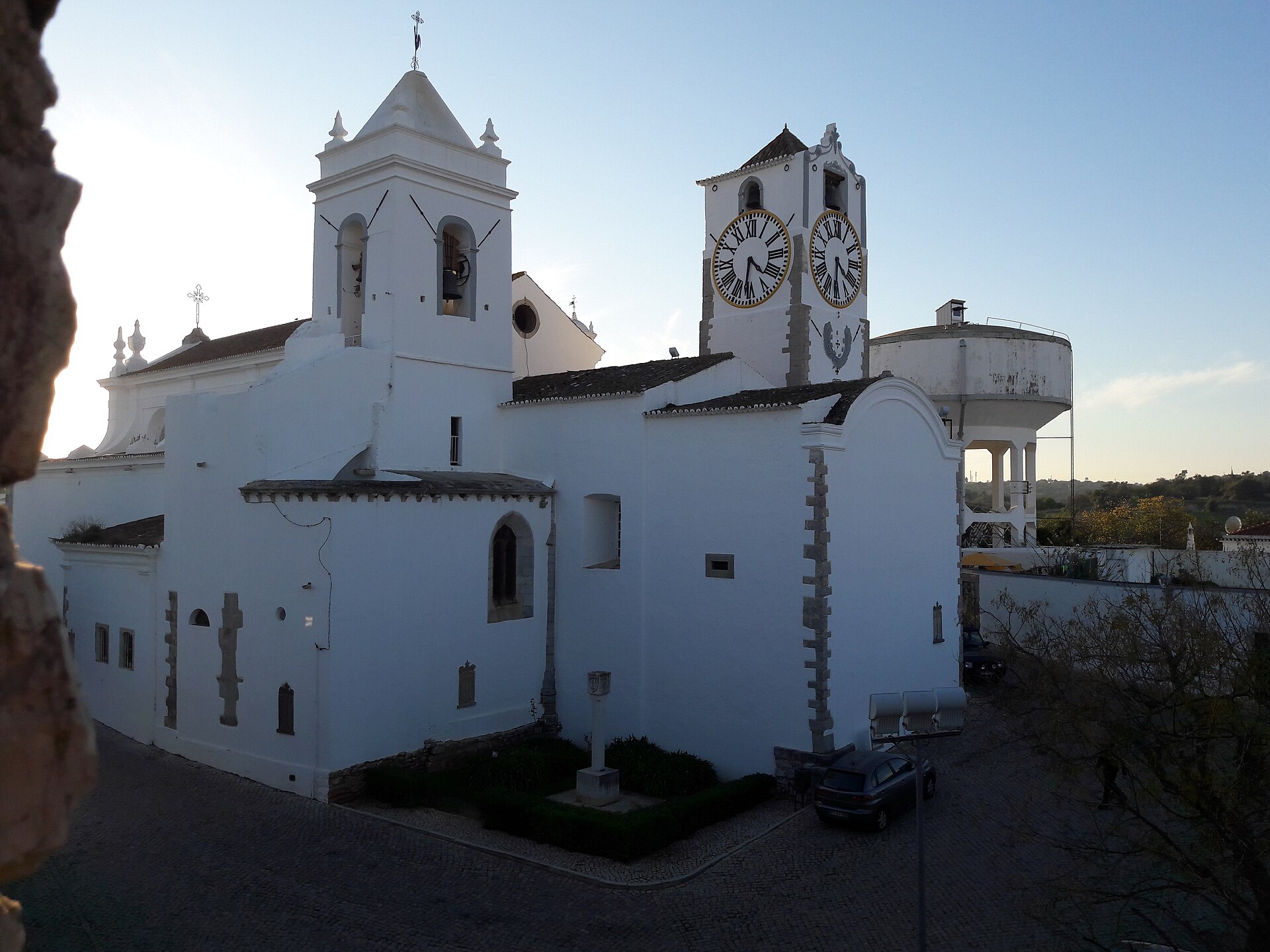
Tavira's main church on the castle hill: Gothic portal, neoclassical nave from the 1790s.
Periods
Tags
Opening hours
Monday: 10:00 AM–1:00 PM, 2:00 PM–5:00 PM
Tuesday: 10:00 AM–1:00 PM, 2:00 PM–5:00 PM
Wednesday: 10:00 AM–1:00 PM, 2:00 PM–5:00 PM
Thursday: 10:00 AM–1:00 PM, 2:00 PM–5:00 PM
Friday: 10:00 AM–1:00 PM, 2:00 PM–5:00 PM
Saturday: 10:00 AM–1:00 PM
Sunday: Closed
Wikipedia
Read more on WikipediaIntroduction
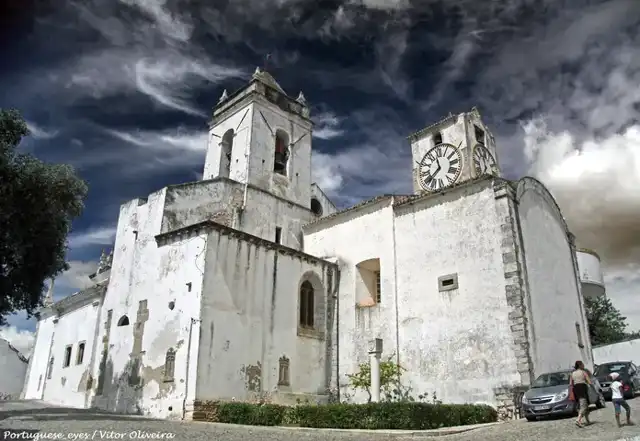
The church at the top of the hill is Tavira's main church, and most of what you see dates from the 1790s. The earthquake of 1755 damaged it badly, and Bishop Francisco Gomes do Avelar had the Italian Francisco Xavier Fabri rebuild it as a neoclassical church. But the portal in the facade is Gothic, from around 1400, and according to the chronicles the church stands where the town's main mosque stood when the Order of Santiago took Tavira in 1242. In the chancel lie, tradition says, Paio Peres Correia and the seven knights whose deaths were the occasion for the conquest. Whether he really lies here is disputed. The stone is worth seeing all the same.
Historical highlights
The mosque that disappeared
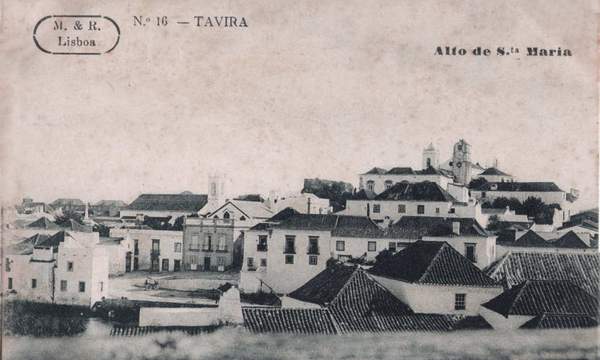
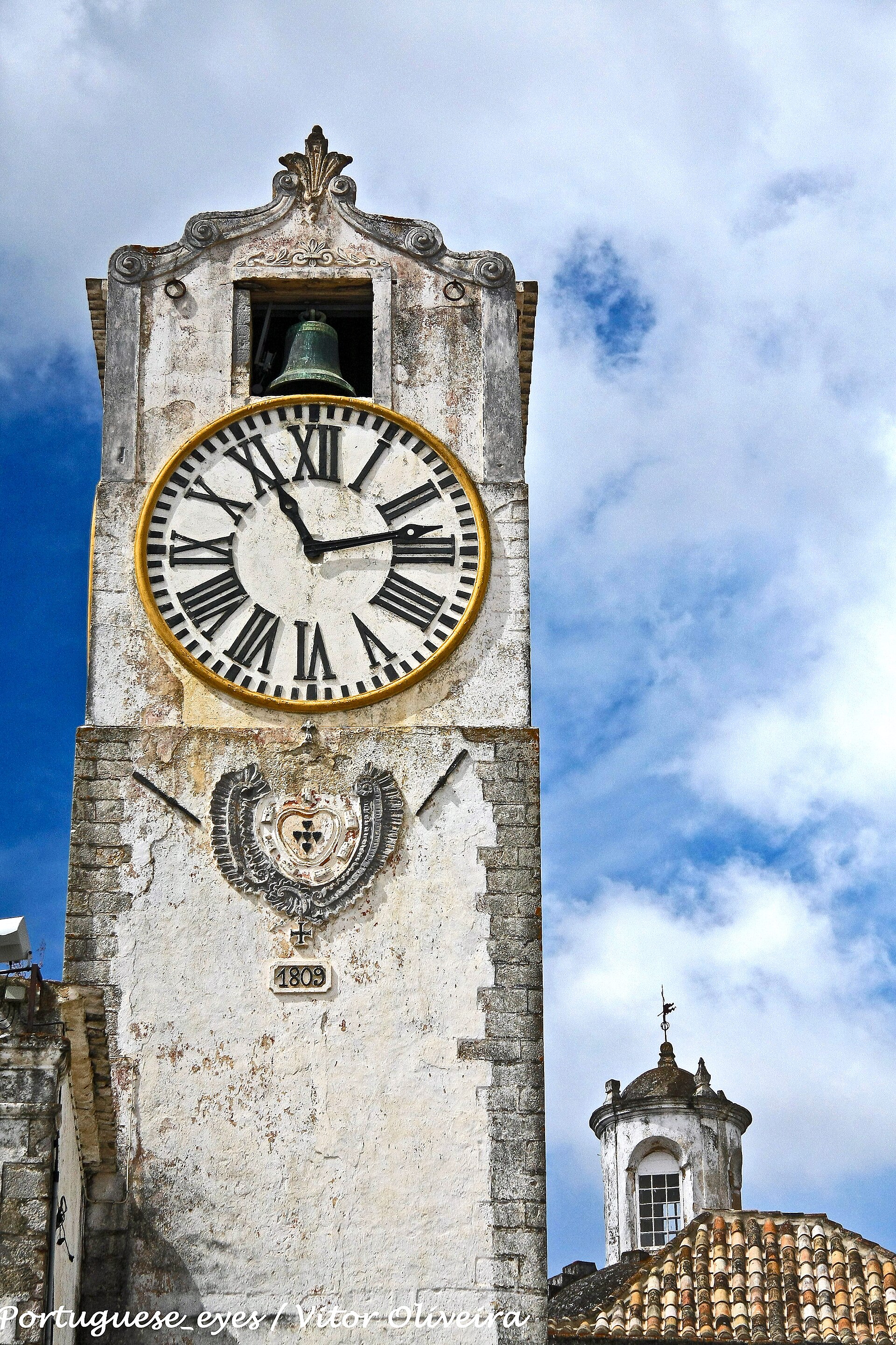
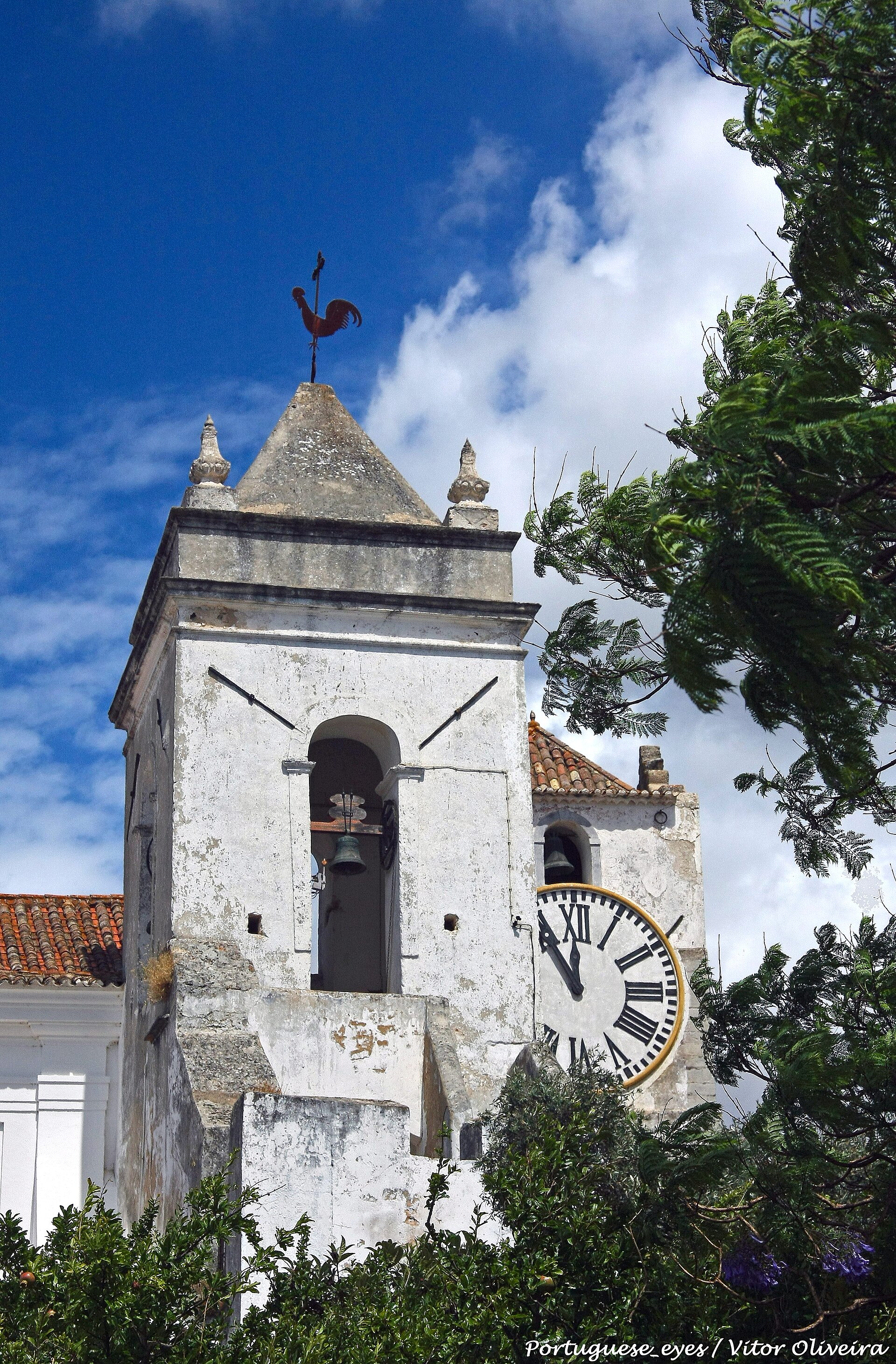
The chronicle says the Order of Santiago turned the main mosque into the church of Santa Maria when it took Tavira, by the usual dating on 11 June 1242. Nothing of the mosque has been found. The clock tower may be the minaret: it is square and about five metres wide, where modest minarets were under three. But a 17th-century engraving shows the facade with two large towers, so no one knows whether this is the one. The chancel faces east, and the historian Luís Campos Paulo concludes from this that the church was built from scratch; the mosque lay at most partly beneath it.
What remains of the Gothic church
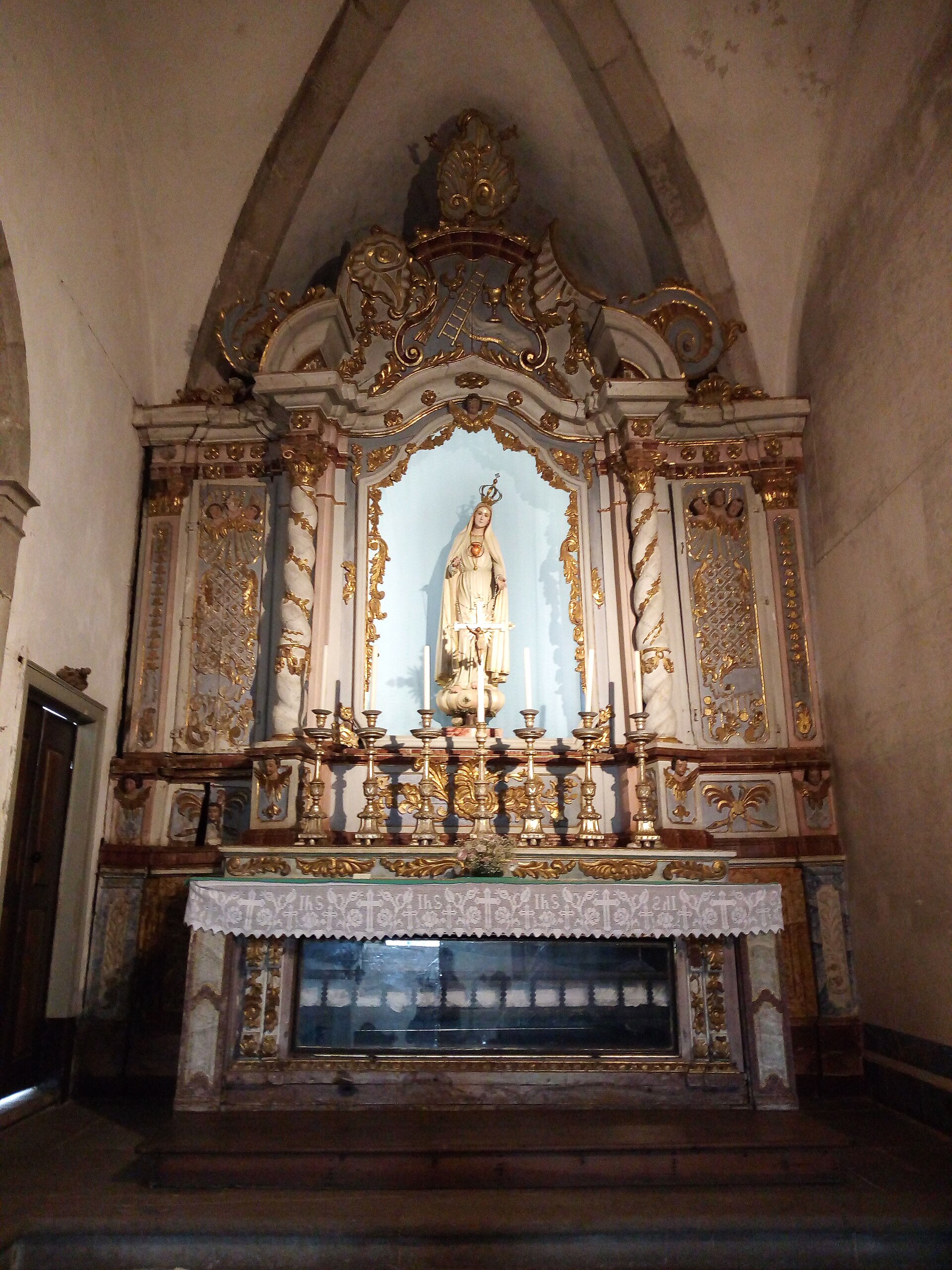
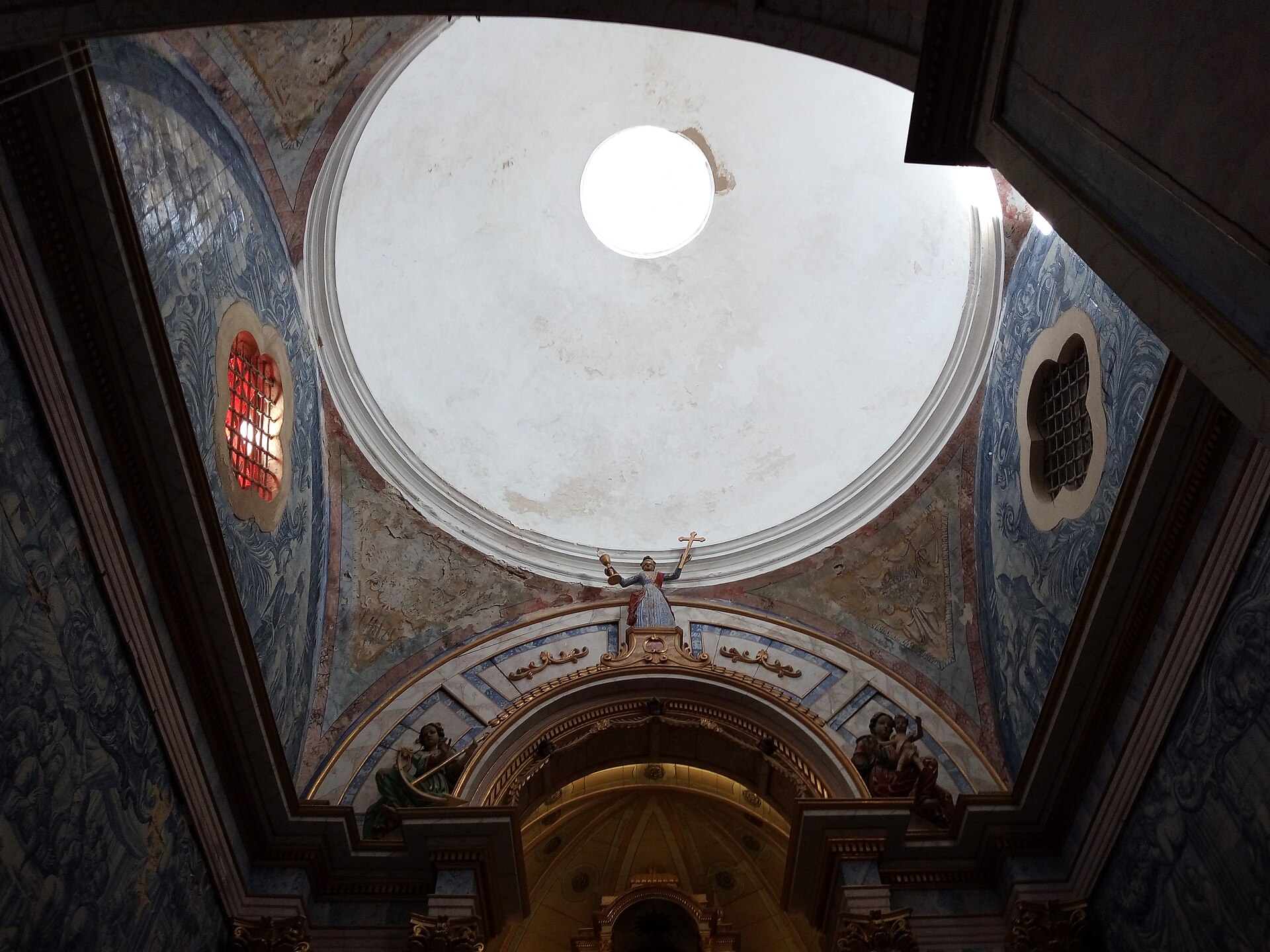
The main portal, with four pointed archivolts and foliate capitals, dates from around 1400 and was built into the new facade after 1755. The chancel and two side chapels are Gothic too. The Capela do Senhor dos Passos is Manueline, from the 1510s, paid for by Lançarote de Melo, a comendador of the order; the vault has heraldic bosses, and at the springing of the ribs two dragons and a belt with a buckle. The order's visitations from 1554 onwards record alterations: stone piers instead of marble columns, vaults instead of a reed roof.
Fabri's church
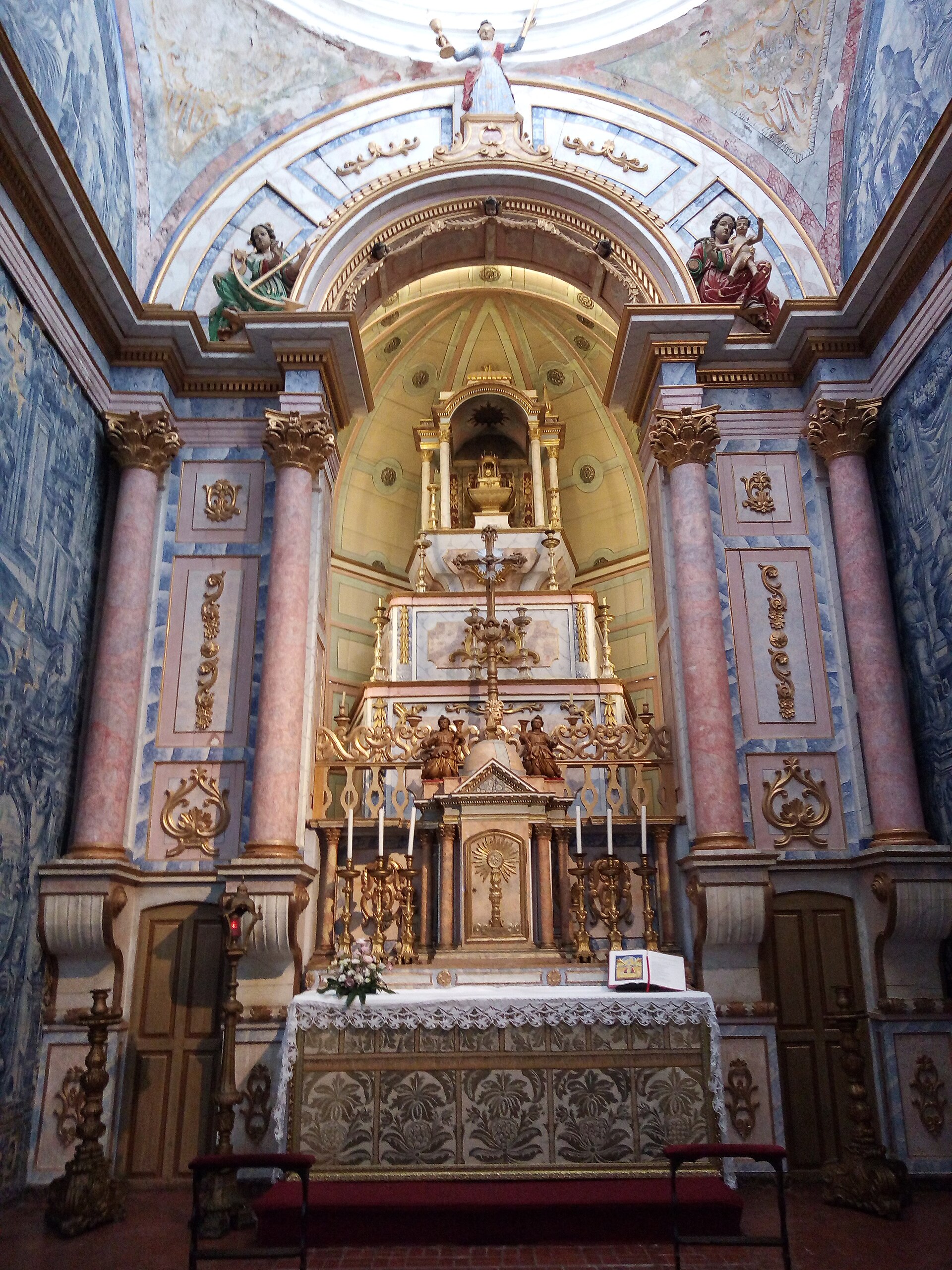
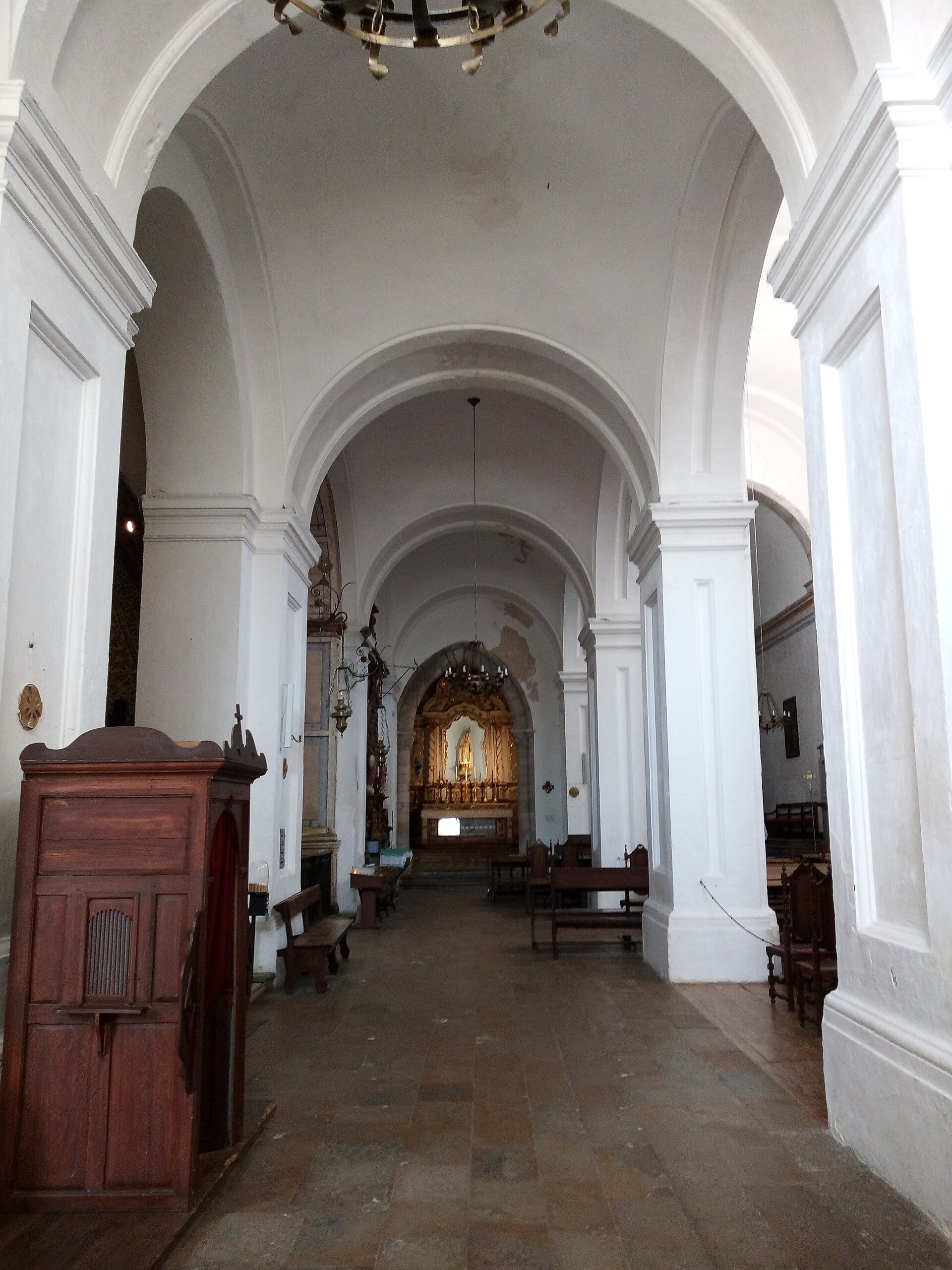
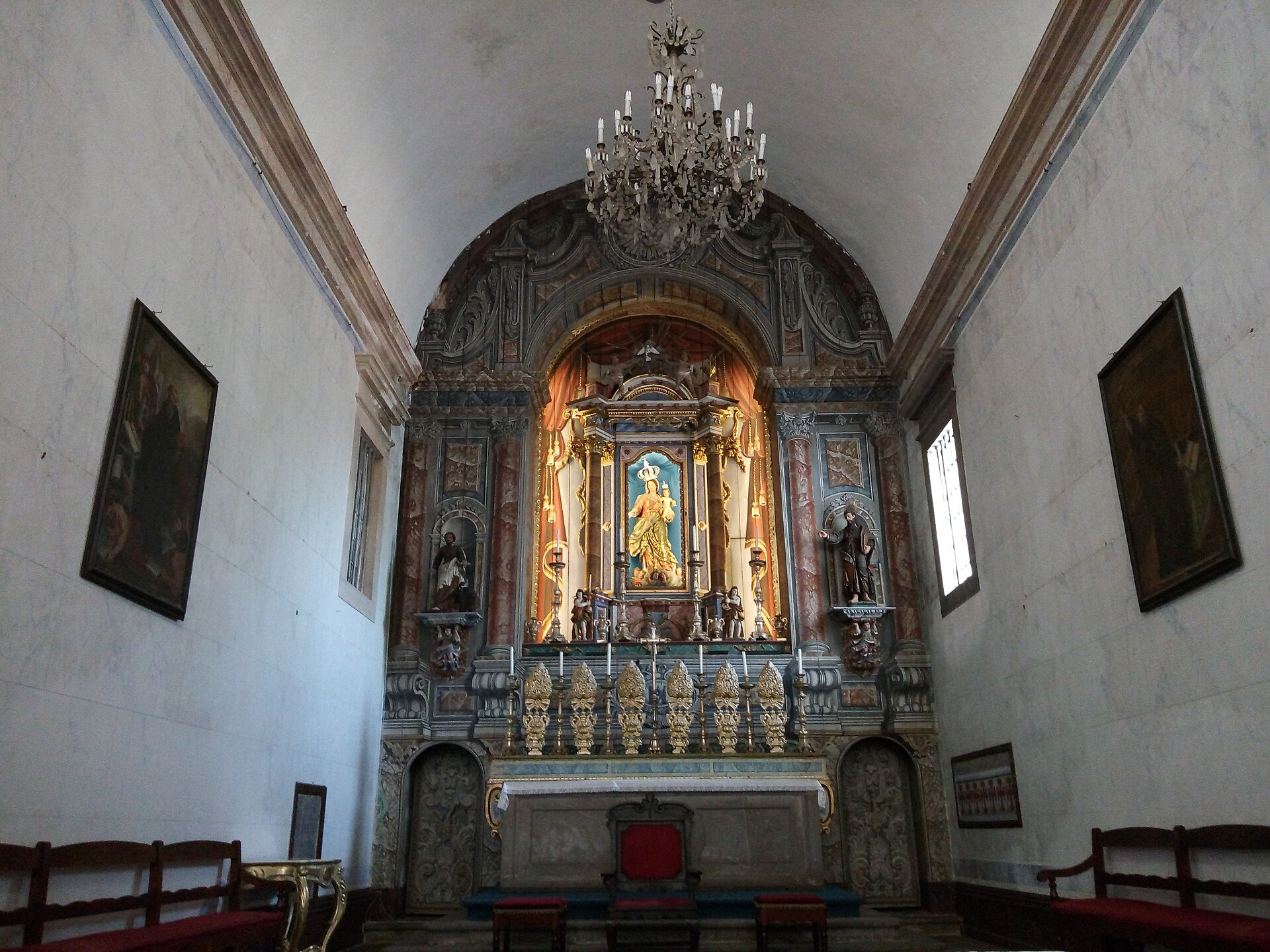
Reconstruction began in 1790 under Bishop Francisco Gomes do Avelar to a design by the Italian Francisco Xavier Fabri, and the town museum calls it the most important neoclassical church in the Algarve. The main altarpiece is not built but painted: a trompe l'oeil attributed to Joaquim José Rasquinho of Loulé, one of the few in the Algarve. Behind it, in 2021, a wooden chamber was found with a throne of steps and walls painted with the name of God in Hebrew, wheat and grapes, unfinished and boarded up for about 200 years.
The tombs in the chancel
On the right side of the chancel sits an engraved stone for the seven martyrs: the order's comendador-mor, five knights and a merchant who, according to the chronicle, were killed while hunting at Antas during a truce. Paio Peres Correia avenged them and took the town. His own tombstone says he died on 10 February 1275 and was laid here in 1751; the bones were found around 1724. The Spanish tradition says Talavera, later Tentudía, and calls Tavira unlikely. It is a better story than the certain one.
Practical
The portal is the oldest part of the facade. The Stations of the Cross are carved in stone on the outer walls. Inside, the martyrs' stone is on the right side of the chancel, and the main altarpiece looks like stone but is a painting. The municipality has roof works under way (just under 400,000 euros), so parts of the church may be closed off. The church is part of the Rota dos Templos Marianos.
Timeline and context
Timeline
- 1242 The Order of Santiago takes Tavira, according to the chronicle on 11 June; the mosque becomes a church, the parish is founded.
- 1244 Sancho II grants the town to the order.
- 1275 Paio Peres Correia dies; the tombstone says 10 February.
- 1300s The cult of the seven martyrs is under way.
- c. 1400 The Gothic main portal.
- 1510s Capela do Senhor dos Passos, paid for by Lançarote de Melo.
- From 1554 The order's visitations record alterations; the reed roof gives way to vaults.
- 1718 A grave with a body and a Moorish sabre is found and reburied (according to DGPC).
- 1751 Bones found around 1724 are placed in the tomb as Paio Peres Correia's.
- 1755 The earthquake badly damages the church; chancel and portal survive.
- 1790 Reconstruction begins under Bishop Avelar to Fabri's design.
- 1910 Monumento Nacional.
- 2021 The wooden chamber with the throne is found behind the main altarpiece.
- 2024 Fresco uncovered in the vault of the Passos chapel; roof works under way.
Why the church is here
It stands at the top, inside the castle wall, because the mosque stood there, on the town's highest and best protected point. Tavira by all accounts had only one mosque, enlarged several times. The conquerors cleansed it, dedicated it to Mary and set up an altar to St Barnabas, because the town fell on his day; the procession every year on 11 June is the source of the date itself. How much of the mosque still stands, no one can say without knocking the plaster off the clock tower. Sandra Cavaco has proposed it. It has not happened.
Four churches in one
The interesting thing is the layers. A Gothic portal and a medieval chancel, a Manueline chapel with dragons in the vault, azulejos from 1748, and around it all a neoclassical church from the 1790s with an altar painted to look like stone. Behind the altar, a room that someone gave up on and boarded up 200 years ago. Even the tombs are two stories: Paio Peres Correia has a tombstone here and a grave in Spain. The church is less Gothic than its reputation and more interesting than that sounds.