1. Home
  2. Cities
List
Map
Timeline
Routes
Stories

Tavira

Ermida de São Lázaro (Nossa Senhora do Livramento)

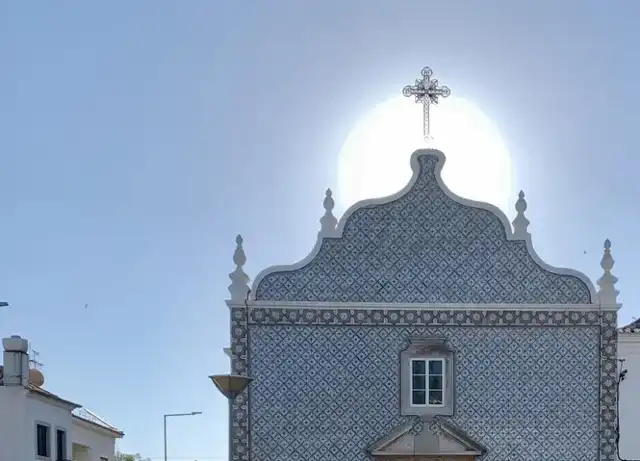
Chapel with azulejos over the whole facade, built by the people before 1518, the seafarers' Livramento.
Flemming Berthelsen
© Flemming Berthelsen (2022)

Periods

MedievalRenaissanceEnlightenmentIndustrial

Tags

Family FriendlyPhotography SpotsScenic ViewPeaceful SpotChurchMaritime History

Opening hours

Limited access There are no regular opening hours. The site opens only for services, exhibitions or events – ask locally before counting on getting in.

Introduction

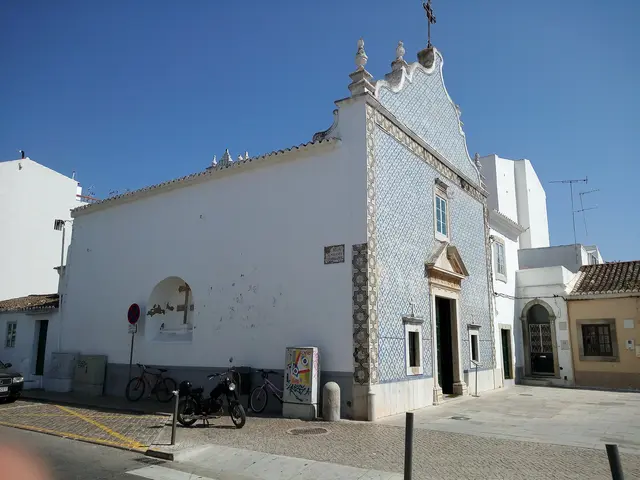
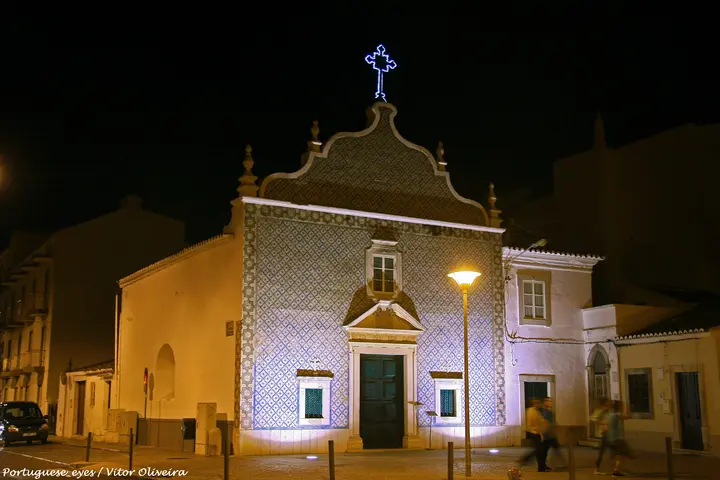
The small chapel on the left bank of the Gilão is the only one in Tavira with azulejos covering the whole facade. It is older than the tiles suggest. It is first mentioned in 1518, when the visitors of the Order of Santiago wrote that the people themselves had built it out of devotion. It was dedicated to São Lázaro, the saint people prayed to against plague. From the late 1600s the town's fishermen and sailors adopted it under the name Nossa Senhora do Livramento, and on the walls inside hang their paintings of thanks for rescue at sea. The chapel is usually closed, but you can look in through the two small windows in the facade.

Historical highlights

Built by the people

The chapel stands where settlement on the left bank began, by the old approach road from the east. The street was called Rua de São Lázaro after the chapel until it became Rua Almirante Cândido dos Reis. The municipal guide dates it to the 1400s with a question mark. The oldest document is a visitation by the Order of Santiago in 1518, which writes that the chapel "foi erguida pelo povo por devoção", built by the people out of devotion. No founder, no nobleman, no order. The patron was São Lázaro, who was invoked against plague and epidemics.

The leper hospital that may never have been there

Everyone tells it: the chapel belonged to a leper hospital on the edge of town. The historian Marco Sousa Santos, who wrote the chapel's monograph in 2018, finds not a single document behind the claim. He traces it to a friar from the early 1700s, Frei Agostinho de Santa Maria, who had hardly been to Tavira. And the location fits poorly; leper hospitals were placed as far from town as possible, while the chapel stands right opposite the town centre. Santos sees it instead as one of three plague chapels around the town, together with São Sebastião and São Roque. Less touching, but it fits the map.

The sailors' chapel

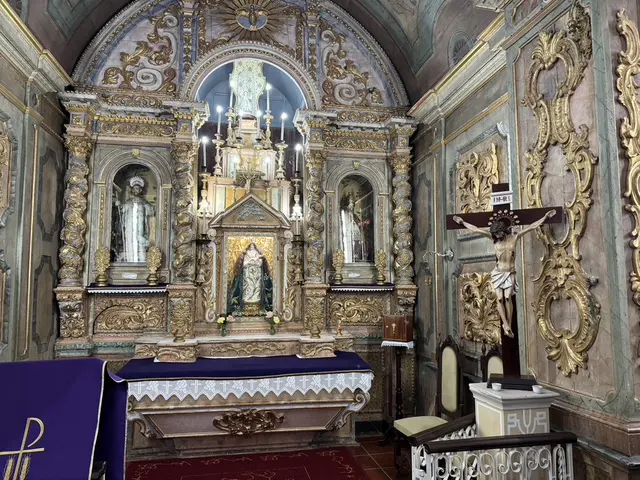
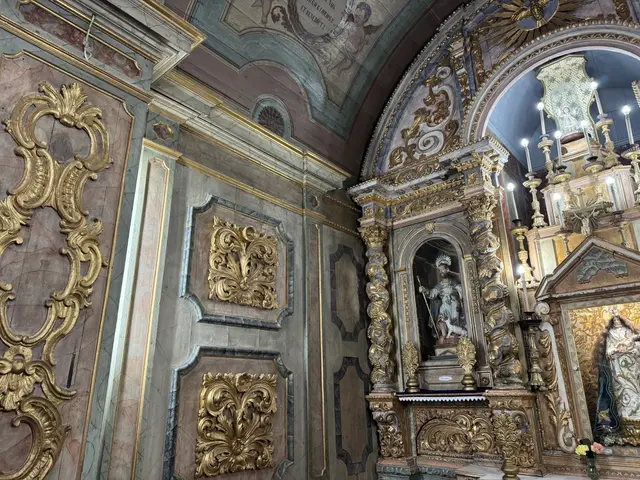
From the late 1600s the chapel was known as Nossa Senhora do Livramento, Our Lady of Deliverance, venerated above all by seafarers. It was rebuilt in 1698, when fishermen were the ones who came here. In the early 1700s a group of them founded a brotherhood, which ended up taking over the chapel. São Lázaro stayed in the high altar, though. The facade dates from the same time, with the year 1715 carved into the lintel of the portal; the tiles covering it all are from the 1800s. Inside, everything is vaulted, and there are three retables from the 1700s. According to tradition, the wooden figure of the Madonna was found in the sea.

Painted in thanks

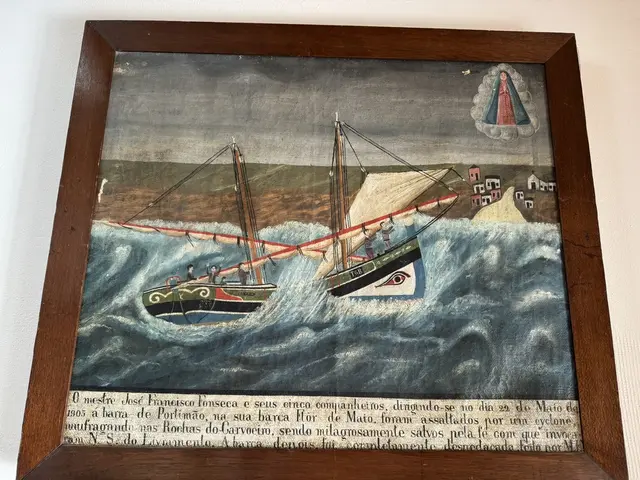
On the walls hang the ex-votos, small paintings on wood, given by sailors who came out of a storm alive. The inscriptions are specific: "O Lagarto" off Arrifana in January 1822, "Sacramento e Conceição" from Málaga in 1837, the barque "S. João Baptista", wrecked off Quarteira in 1876, the yacht "Maria da Paz" from Oran at Cabo da Gata in 1877, the barque "Flôr de Maio" on the Portimão bar in 1905. Lorenzo Gasperoni, who has written about them, sees ships "struggling against fierce, raging seas ... They are terrifying scenes!" They are the only miracles the chapel itself documents.

Practical

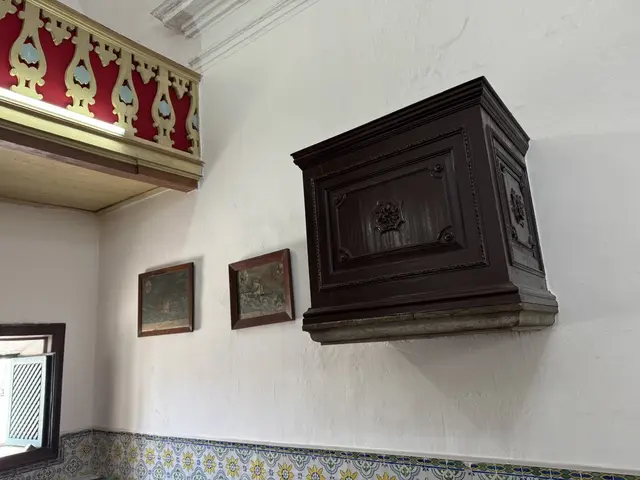
The chapel is usually closed. The facade has two small windows, put in for ventilation, and through them you can see in to the altars. With a little luck the door is open. The municipal museum holds occasional guided tours in the series "Passeios na História de Tavira", most recently in December 2025 with Marco Sousa Santos as guide. Do not confuse it with the chapel of the same name in Luz de Tavira from 1708.

Timeline and context

Timeline

  • Late 1300s Settlement on the left bank begins at Alagoa and around São Lázaro, according to SIPA's town chronology.
  • 1400s (?) The municipality's cautious dating of the chapel's origin.
  • 1518 First document: the Order of Santiago's visitation notes that the people have built the chapel out of devotion.
  • Late 1600s The chapel is known as Nossa Senhora do Livramento, the seafarers' cult.
  • 1698 Rebuilding.
  • Early 1700s The seafarers' brotherhood takes over the chapel; Frei Agostinho de Santa Maria spreads the claim of a leper hospital.
  • 1715 The year on the lintel of the portal; the facade takes its form.
  • 1800s The facade is covered entirely with azulejos.
  • 1822-1905 The dated ex-votos are painted and hung.
  • 1969 The state buildings service DGEMN restores the chapel.
  • 2018 Marco Sousa Santos's monograph is presented in the chapel.
  • 2025 The municipal museum holds a guided tour of the chapel.

Why it stands here

The chapel stands by the old road into Tavira from the east, right opposite the medieval town on the other side of the river. It was one of the first spots on the left bank to be built on, and the street took its name from it. It is not an outskirt in any dramatic sense. That is exactly what weakens the story of the leper hospital and strengthens the reading of the chapel as one of three plague chapels around the town, together with São Sebastião and São Roque.

What remains

A small building with a single nave and the hermit's house beside it, a facade from 1715 under the tiles of the 1800s, three retables from the 1700s and the images of both patrons. The remains of a figurative tile panel from the 1700s, which sat in a niche on the outside, also survive. The chapel is not listed, as far as the sources show, but the municipality includes it in its guide to churches, and the museum uses it for guided tours. Most of what people think they know about the place comes from one book of 80 pages. It is worth reading before repeating the legend.
Additional research material is available for this site.

Ermida de São Lázaro (Nossa Senhora do Livramento)

Ermida de São Lázaro (Nossa Senhora do Livramento) - Flemming Berthelsen 1/7
©Flemming Berthelsen (2022)
Ermida de São Lázaro (Nossa Senhora do Livramento) - Flemming Berthelsen 2/7
©Flemming Berthelsen (2025)
Ermida de São Lázaro (Nossa Senhora do Livramento) - RicardoFilipePereira, CC BY-SA 4.0 <https://creativecommons.org/licenses/by-sa/4.0>, via Wikimedia Commons 3/7
©RicardoFilipePereira, CC BY-SA 4.0 <https://creativecommons.org/licenses/by-sa/4.0>, via Wikimedia Commons (2018)
Ermida de São Lázaro (Nossa Senhora do Livramento) - Vitor Oliveira from Torres Vedras, PORTUGAL, CC BY-SA 2.0 <https://creativecommons.org/licenses/by-sa/2.0>, via Wikimedia Commons 4/7
©Vitor Oliveira from Torres Vedras, PORTUGAL, CC BY-SA 2.0 <https://creativecommons.org/licenses/by-sa/2.0>, via Wikimedia Commons (2017)
Ermida de São Lázaro (Nossa Senhora do Livramento) - Flemming Berthelsen 5/7
©Flemming Berthelsen (2025)
Ermida de São Lázaro (Nossa Senhora do Livramento) - Flemming Berthelsen 6/7
©Flemming Berthelsen (2025)
Ermida de São Lázaro (Nossa Senhora do Livramento) - Flemming Berthelsen 7/7
©Flemming Berthelsen (2025)
Ermida de São Lázaro (Nossa Senhora do Livramento)
Show on map
Family FriendlyPhotography SpotsScenic ViewPeaceful SpotChurchMaritime History

Introduction

The small chapel on the left bank of the Gilão is the only one in Tavira with azulejos covering the whole facade. It is older than the tiles suggest. It is first mentioned in 1518, when the visitors of the Order of Santiago wrote that the people themselves had built it out of devotion. It was dedicated to São Lázaro, the saint people prayed to against plague. From the late 1600s the town's fishermen and sailors adopted it under the name Nossa Senhora do Livramento, and on the walls inside hang their paintings of thanks for rescue at sea. The chapel is usually closed, but you can look in through the two small windows in the facade.

Research

Historical highlights

Built by the people

The chapel stands where settlement on the left bank began, by the old approach road from the east. The street was called Rua de São Lázaro after the chapel until it became Rua Almirante Cândido dos Reis. The municipal guide dates it to the 1400s with a question mark. The oldest document is a visitation by the Order of Santiago in 1518, which writes that the chapel "foi erguida pelo povo por devoção", built by the people out of devotion. No founder, no nobleman, no order. The patron was São Lázaro, who was invoked against plague and epidemics.

The leper hospital that may never have been there

Everyone tells it: the chapel belonged to a leper hospital on the edge of town. The historian Marco Sousa Santos, who wrote the chapel's monograph in 2018, finds not a single document behind the claim. He traces it to a friar from the early 1700s, Frei Agostinho de Santa Maria, who had hardly been to Tavira. And the location fits poorly; leper hospitals were placed as far from town as possible, while the chapel stands right opposite the town centre. Santos sees it instead as one of three plague chapels around the town, together with São Sebastião and São Roque. Less touching, but it fits the map.

The sailors' chapel

From the late 1600s the chapel was known as Nossa Senhora do Livramento, Our Lady of Deliverance, venerated above all by seafarers. It was rebuilt in 1698, when fishermen were the ones who came here. In the early 1700s a group of them founded a brotherhood, which ended up taking over the chapel. São Lázaro stayed in the high altar, though. The facade dates from the same time, with the year 1715 carved into the lintel of the portal; the tiles covering it all are from the 1800s. Inside, everything is vaulted, and there are three retables from the 1700s. According to tradition, the wooden figure of the Madonna was found in the sea.

Painted in thanks

On the walls hang the ex-votos, small paintings on wood, given by sailors who came out of a storm alive. The inscriptions are specific: "O Lagarto" off Arrifana in January 1822, "Sacramento e Conceição" from Málaga in 1837, the barque "S. João Baptista", wrecked off Quarteira in 1876, the yacht "Maria da Paz" from Oran at Cabo da Gata in 1877, the barque "Flôr de Maio" on the Portimão bar in 1905. Lorenzo Gasperoni, who has written about them, sees ships "struggling against fierce, raging seas ... They are terrifying scenes!" They are the only miracles the chapel itself documents.

Practical

The chapel is usually closed. The facade has two small windows, put in for ventilation, and through them you can see in to the altars. With a little luck the door is open. The municipal museum holds occasional guided tours in the series "Passeios na História de Tavira", most recently in December 2025 with Marco Sousa Santos as guide. Do not confuse it with the chapel of the same name in Luz de Tavira from 1708.

Research

Timeline and context

Timeline

  • Late 1300s Settlement on the left bank begins at Alagoa and around São Lázaro, according to SIPA's town chronology.
  • 1400s (?) The municipality's cautious dating of the chapel's origin.
  • 1518 First document: the Order of Santiago's visitation notes that the people have built the chapel out of devotion.
  • Late 1600s The chapel is known as Nossa Senhora do Livramento, the seafarers' cult.
  • 1698 Rebuilding.
  • Early 1700s The seafarers' brotherhood takes over the chapel; Frei Agostinho de Santa Maria spreads the claim of a leper hospital.
  • 1715 The year on the lintel of the portal; the facade takes its form.
  • 1800s The facade is covered entirely with azulejos.
  • 1822-1905 The dated ex-votos are painted and hung.
  • 1969 The state buildings service DGEMN restores the chapel.
  • 2018 Marco Sousa Santos's monograph is presented in the chapel.
  • 2025 The municipal museum holds a guided tour of the chapel.

Why it stands here

The chapel stands by the old road into Tavira from the east, right opposite the medieval town on the other side of the river. It was one of the first spots on the left bank to be built on, and the street took its name from it. It is not an outskirt in any dramatic sense. That is exactly what weakens the story of the leper hospital and strengthens the reading of the chapel as one of three plague chapels around the town, together with São Sebastião and São Roque.

What remains

A small building with a single nave and the hermit's house beside it, a facade from 1715 under the tiles of the 1800s, three retables from the 1700s and the images of both patrons. The remains of a figurative tile panel from the 1700s, which sat in a niche on the outside, also survive. The chapel is not listed, as far as the sources show, but the municipality includes it in its guide to churches, and the museum uses it for guided tours. Most of what people think they know about the place comes from one book of 80 pages. It is worth reading before repeating the legend.
Research

AI-generated content

The text and narration were created with artificial intelligence — the voice is synthetic. The content is reviewed editorially, but errors may occur.