Tavira
Church of Nossa Senhora das Ondas
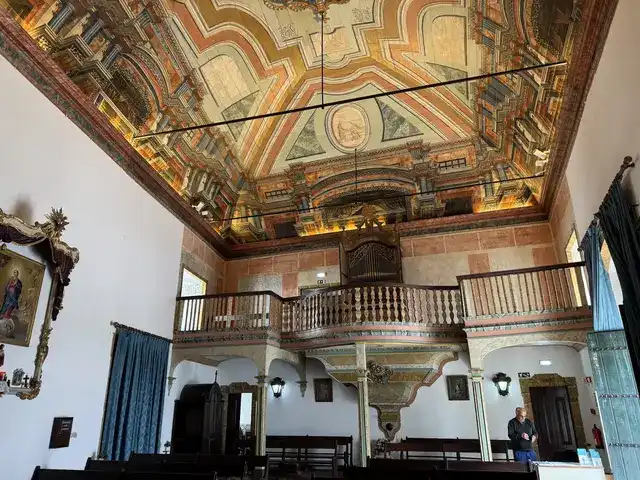
Seafarers' church from the 16th century, illusionistic ceiling and the brotherhood's statutes of 1793.
Periods
Tags
Opening hours
Limited access There are no regular opening hours. The site opens only for services, exhibitions or events – ask locally before counting on getting in.
Introduction
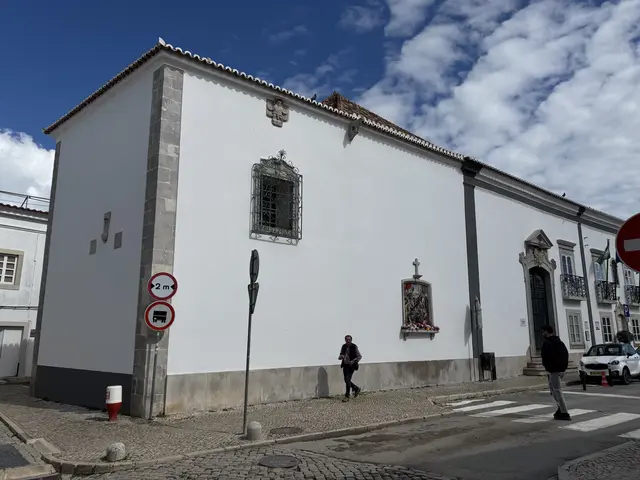
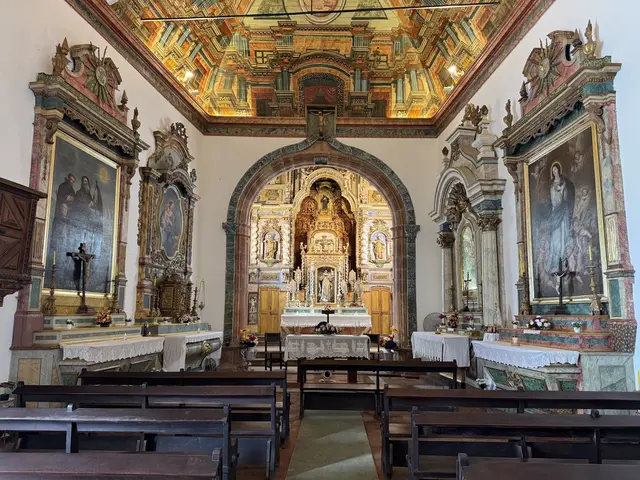
From the outside it looks like an 18th-century baroque church, and it is one, but only in part. Tavira's fishermen and seafarers built it in the first half of the 16th century through their brotherhood, the Compromisso Marítimo, and dedicated it to São Pedro Gonçalves Telmo. The earthquake of 1755 took most of the nave; Diogo Tavares de Ataíde rebuilt it from 1756. The ceiling is the reason to go in: painted in illusionistic perspective in 1765 by the Tavira-born Luís António Pereira, it is the oldest of its kind in the Algarve. The name "das Ondas" comes from a figure of the Virgin that fishermen, according to tradition, found in the waves by the beach in 1659.
Historical highlights
The seafarers' own brotherhood
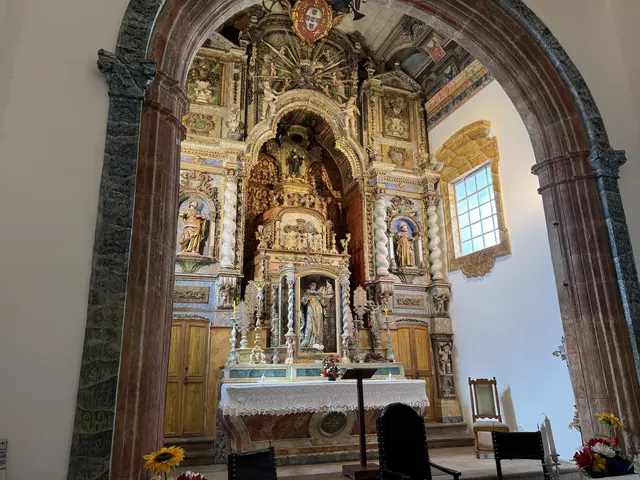
The Confraria do Corpo Santo, known in everyday speech as the Compromisso Marítimo, is older than the church. It existed in the 15th century, and in 1497 D. Manuel I gave Tavira's seafarers the right to elect a judge every year. The statute of 1530 forbade fishing on Sundays and on the feast days of the Virgin; the catch on those days went to the brotherhood. They raised the church in the harbour quarter of Ribeira from the 1530s. The visitation of 1554 describes a new Renaissance church with a portal "lavrado de romano" and an octagonal chancel arch. It belongs to Tavira's own school of early Renaissance.
Ataíde rebuilds
The earthquake of 1755 damaged the church, but the chancel held. In 1756 the brotherhood signed a contract with Diogo Tavares de Ataíde, the Algarve's most important baroque master builder, to rebuild the walls of the nave "com toda a fortaleza e valentia". The portal is his: round arch, shells and a triangular pediment with the royal arms in rocaille. In 1765 Luís António Pereira painted the ceiling in illusionistic perspective, the oldest of its kind in the Algarve. A good thousand boards; all were taken down and restored in 2012-14.
Inside
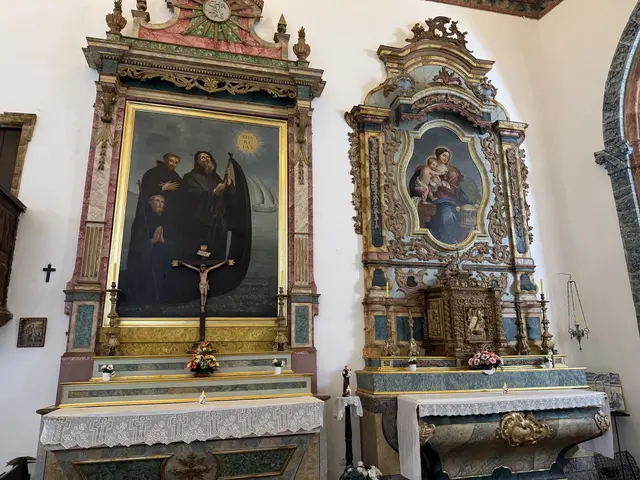
Five altarpieces in gilded wood, five wooden sculptures and an organ from the late 18th century. In the high altar stands São Pedro Gonçalves Telmo in Dominican habit with a ship in one hand; the other is missing its candle with St Elmo's fire. Nossa Senhora das Ondas is a 17th-century figure in painted wood on the epistle side. According to the Santuário Mariano of 1718, which itself calls it tradition, fishermen found her on the beach in 1659, worn by waves and sand, but with face and hands intact.
From brotherhood to municipality
On the Sunday after Easter the boat masters elected the board, and the alms went to poor seafarers and their burials, for "when they could work, they earned for the brotherhood", as the statute of 1793 says. In 1937 the Estado Novo abolished all Compromissos Marítimos, and in 1941 the church passed to the Casa dos Pescadores. It stood closed for years with a hole in the roof, until the municipality borrowed it, restored it for around 430,000 euros and reopened it in May 2015. Since June 2024 the municipality owns it.
Practical
The church is open to visitors and is used for concerts such as "Fado com História" and the municipality's guided tours. Look up first; the ceiling is what you come for. Then go round behind the chancel and find the stones with D. Manuel's arms and the word ALEO. On the facade is the plaque from the reopening in 2015. The neighbouring building, the old Compromisso Marítimo, is today the seat of the Junta de Freguesia.
Timeline and context
Timeline
- 1400s The Confraria do Corpo Santo exists and runs its own hospital.
- 1497 D. Manuel I gives the seafarers the right to elect their own judge every year.
- 1530 First statute, a copy of Faro's; only a transcript from 1665 survives.
- 1530s The church is built in Ribeira.
- 1554 The visitation of the Order of Santiago describes a Renaissance portal and chancel arch.
- 1659 According to tradition, fishermen find the figure of the Virgin on the beach.
- 1755 The earthquake damages the church; the chancel holds.
- 1756 Contract with Diogo Tavares de Ataíde for the rebuilding.
- 1765 Luís António Pereira paints the ceiling.
- 1781 The brotherhood buys the neighbouring building and begins the Casa do Despacho.
- 1783-93 New statute, confirmed and printed in Lisbon.
- 1937-41 The Compromisso Marítimo is dissolved; the church passes to the Casa dos Pescadores.
- 2012 Listed as Monumento de Interesse Público; restoration begins.
- 2015 and 2024 Reopened on Dia do Pescador; the municipality takes over ownership in 2024.
Why the church stands here
Ribeira was the harbour. The brotherhood put its church there, not up by the parish churches on the hill. The money came from the sea: the catch on Sundays and feast days of the Virgin, and the marquises of Vila Real, who held the king's grant of Tavira's customs revenue and put their motto on the wall. The listing of 2012 is justified by the church preserving the memory of Tavira's old economic strength and of the town's brotherhood of seafarers. It is a harbour town's church, built by those who sailed.
What remains of the 16th century
Less than you would think. The portal, the walls of the nave and the ceiling are from 1756-65. From the Renaissance church stand the chancel arch, if Santana is right, and D. Manuel's arms with the ALEO stones. The rest is baroque and furnishings from the 17th and 18th centuries: a Virgin from the 17th century, a São Telmo from the 18th, the organ. That is not a shortcoming. The church shows how the towns of the Algarve rebuilt themselves after 1755, with what they had, and with the best master builder they could get.