Tavira
Igreja de São José do Hospital do Espírito Santo
Baroque hospital church on an octagonal plan, 1752-68, beside a hospital from 1454.
Periods
Tags
Opening hours
Monday: 10:00 AM–12:30 PM, 2:00 PM–5:00 PM
Tuesday: 10:00 AM–12:30 PM, 2:00 PM–5:00 PM
Wednesday: 10:00 AM–12:30 PM, 2:00 PM–5:00 PM
Thursday: 10:00 AM–5:00 PM
Friday: 10:00 AM–12:30 PM, 2:00 PM–5:00 PM
Saturday: Closed
Sunday: Closed
Introduction
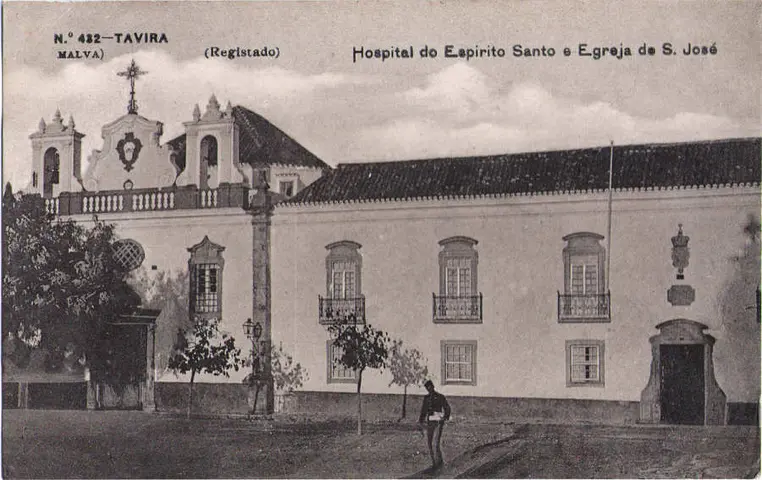
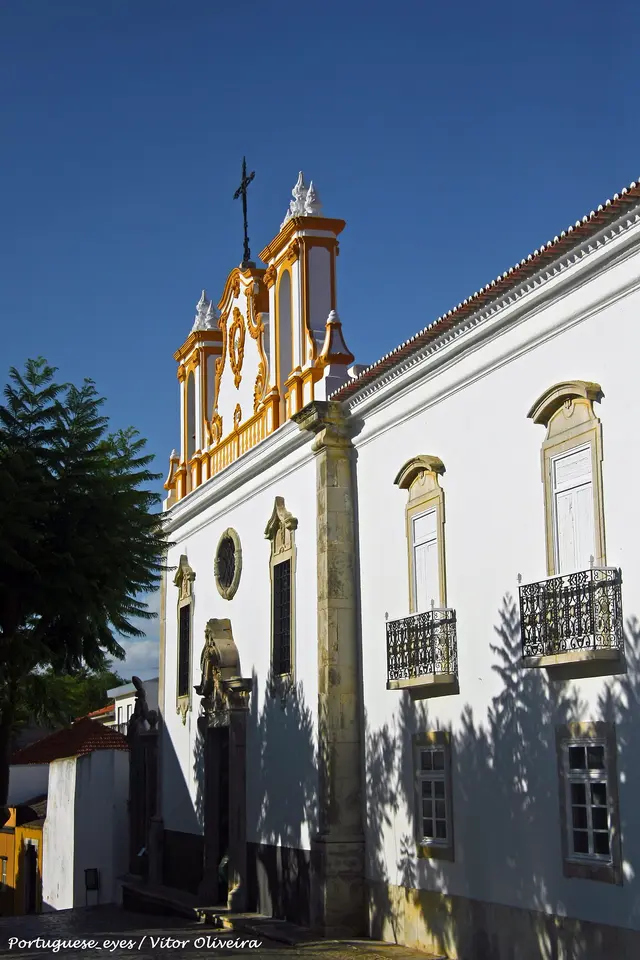
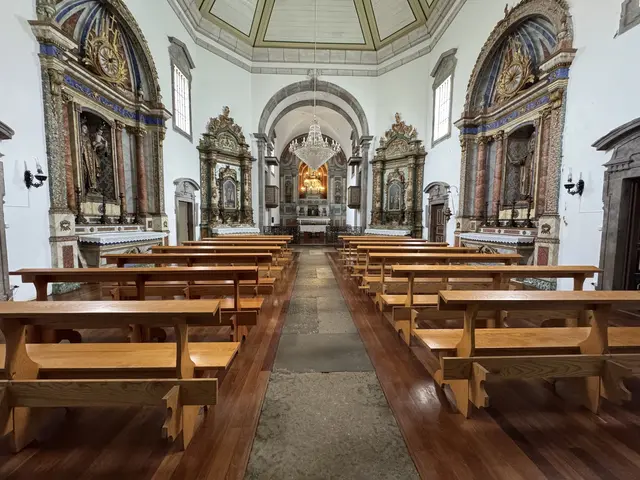
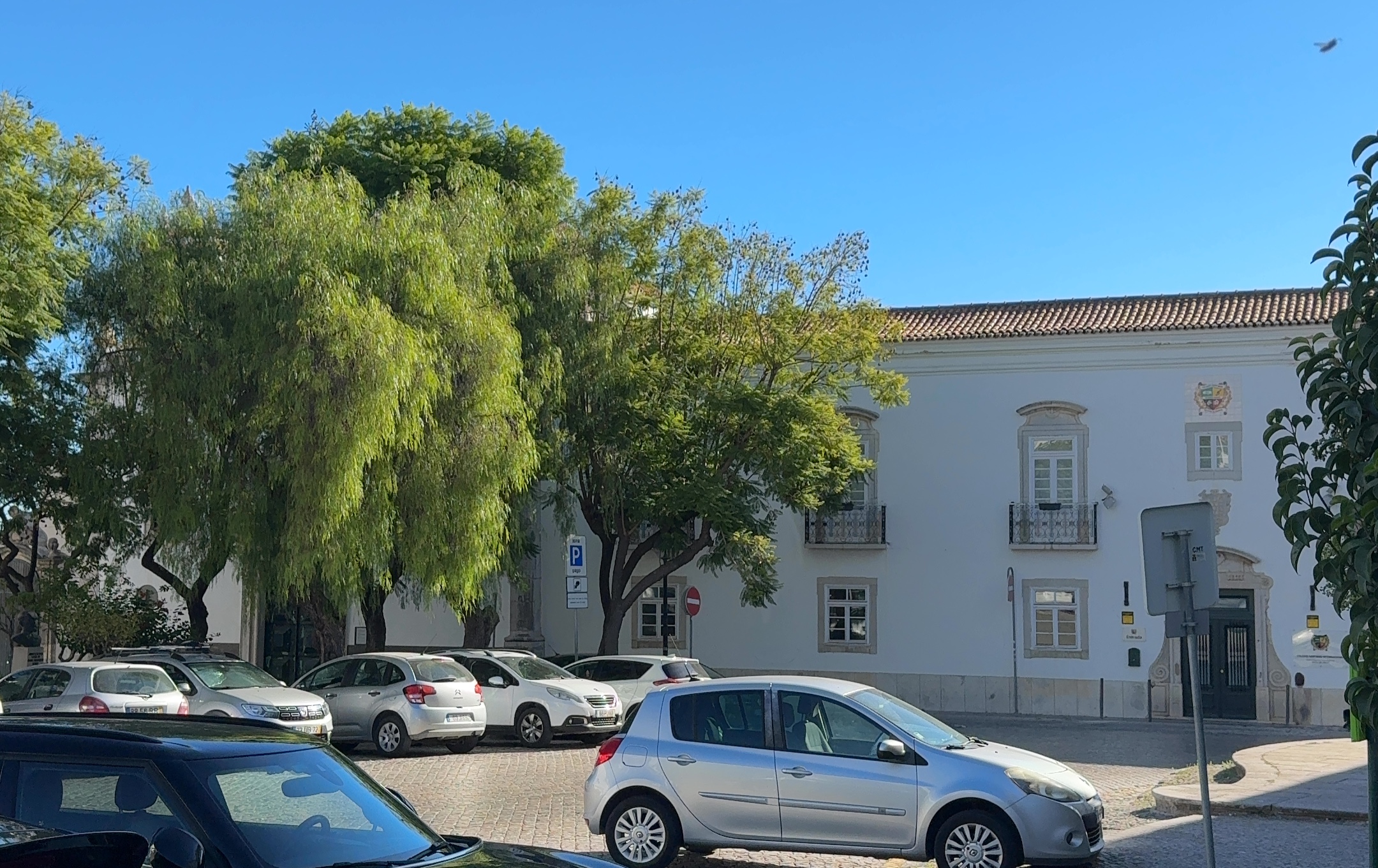
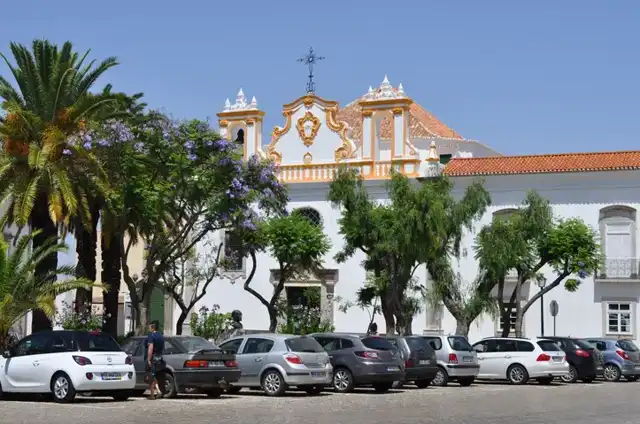
The church and the old hospital fill one whole side of Praça Zacarias Guerreiro. Hospital do Espírito Santo was built from 1454 for the sick and wounded from the expeditions to Morocco, and it remained the town's hospital into the 2000s. The church as it stands is younger: rebuilt from 1752 to Diogo Tavares de Ataíde's design, delayed by the earthquake of 1755 and finished in 1768, one of the Algarve's few baroque churches on an octagonal plan. Inside, the high altar is painted, not carved; the columns are trompe-l'œil from 1805. And in a side chapel sits a star vault from the 16th century with the arms of two noble families in the keystones.
Historical highlights
A hospital for those who came home from Morocco
The hospital is older than the church. Santa Casa da Misericórdia dates it to 1425 and two confraternities, São Brás and Espírito Santo; the municipality counts from 1454, when it was built on land granted by Afonso V for the sick and wounded from the expeditions to Morocco. The oldest visible part is the chapel on the left, founded in the 16th century by D. Mécia Corte Real: a star vault with the arms of the Melo and Costa families in the keystones. A gravestone from 1549 still lies there, and the floor is laid with reused gravestones.
The miracle and the king
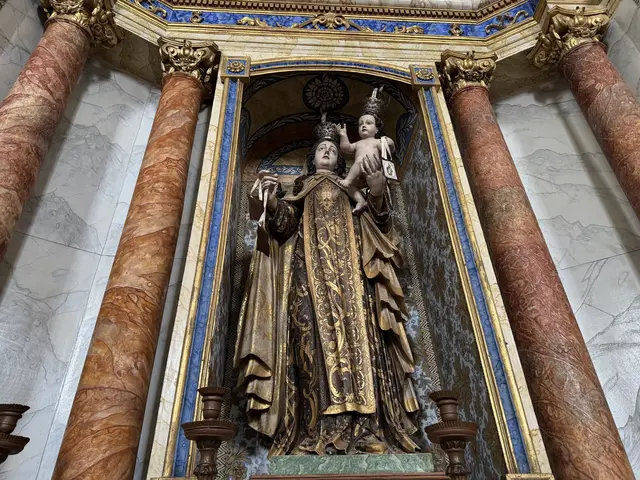
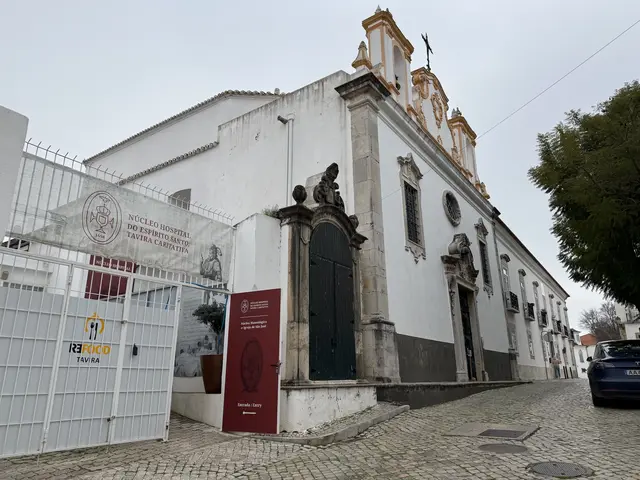
Until 1721 the church was called Espírito Santo, like the hospital. Then it became São José. The municipality writes that "it is told" that the reason was a miracle that year involving a figure of the saint, which now stands in one of the small altars by the triumphal arch; a later tradition says it sweated blood. The hospital kept its name. On 24 July 1747 D. João V gave the church the title of Capela Real and took it under his protection; hence the royal arms with a crown above the high altar and the armorial stone with crown and dove on the facade.
The octagon
In 1752 the crown decided to rebuild church and hospital under Diogo Tavares de Ataíde from Faro. Three years later came the earthquake, and the work dragged on until 1768, the year in the gable. Tavares died in 1765, before it was finished. The plan is a rectangle with cut corners, an irregular octagon modelled on the Menino Deus church in Lisbon from 1712, and the type is rare in the Algarve. The high altar came in 1805, when Joaquim Rasquinho painted columns and retable in trompe-l'œil. Only the throne and two brackets are real.
From hospital to museum
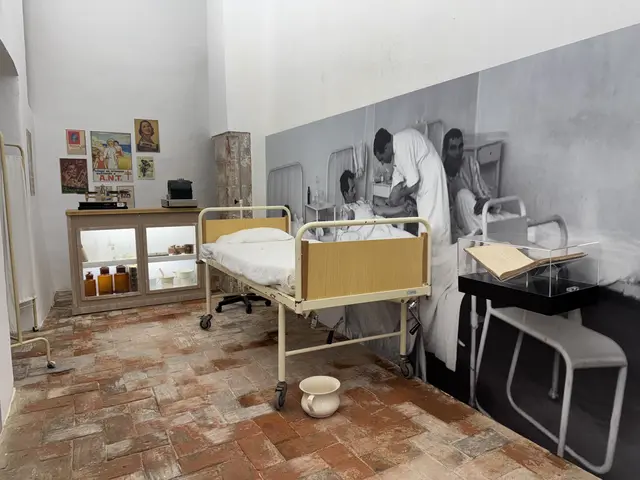
Santa Casa took over the hospital in 1921, when inflation after the First World War had knocked the bottom out of its finances. It remained the town's hospital into the 2000s, and then the building stood closed; much of the contents disappeared in those years, Santa Casa says, but they still have a bundle of parchments from the foundation. On 24 June 2023 the Núcleo de São José opened in three hospital rooms with its entrance through the church: instruments, pharmacy goods from the 1900s, ward signs and boards listing benefactors.
Practical
The museum is open weekdays 10-12.30 and 14-17, another source says from 9; access is through the church. Look for the year in the gable, the armorial stone with crown and dove, and on the north wall the small Passo, a procession station. Inside: the star vault in the chapel on the left, the gravestones in the floor, and the high altar, where only up close do you see that the columns are painted. The two small altars by the triumphal arch are oratories behind glass.
Timeline and context
Timeline
- 1425 The hospital is founded by the confraternities of São Brás and Espírito Santo, according to Santa Casa.
- 1454 Hospital do Espírito Santo is built on land from Afonso V for the sick and wounded from the Morocco expeditions.
- 16th century D. Mécia Corte Real founds the chapel with the star vault; gravestone from 1549.
- 1721 The church changes its name from Espírito Santo to São José after a miracle involving a figure of the saint.
- 24 July 1747 D. João V gives the church the title of Capela Real.
- 1752 The crown decides to rebuild church and hospital; Diogo Tavares de Ataíde directs the work.
- 1755 The earthquake damages church and hospital.
- 1768 The rebuilding is completed; the year is in the gable.
- 1805 Joaquim Rasquinho paints the high altar in trompe-l'œil.
- 1921 Santa Casa da Misericórdia takes over the hospital.
- Early 2000s The hospital closes.
- 2014 Listed as Monumento de Interesse Público.
- 24 June 2023 Núcleo de São José opens in the old hospital.
A Lisbon plan in Tavira
There are not many octagonal churches in the Algarve. The model is Menino Deus in Lisbon from 1712. The sources do not say why, but the church had been a Capela Real since 1747, and the rebuilding was a royal decision, so the job did not go to the nearest master mason. Daniel Santana's book on Diogo Tavares de Ataíde is simply called Arquiteto Algarvio. He died in 1765, three years before the church was finished, so the last years were built to his design by others. The listing text says the church was "designed in 1768". That does not fit the year of his death, and we leave it open.
What the hospital has left behind
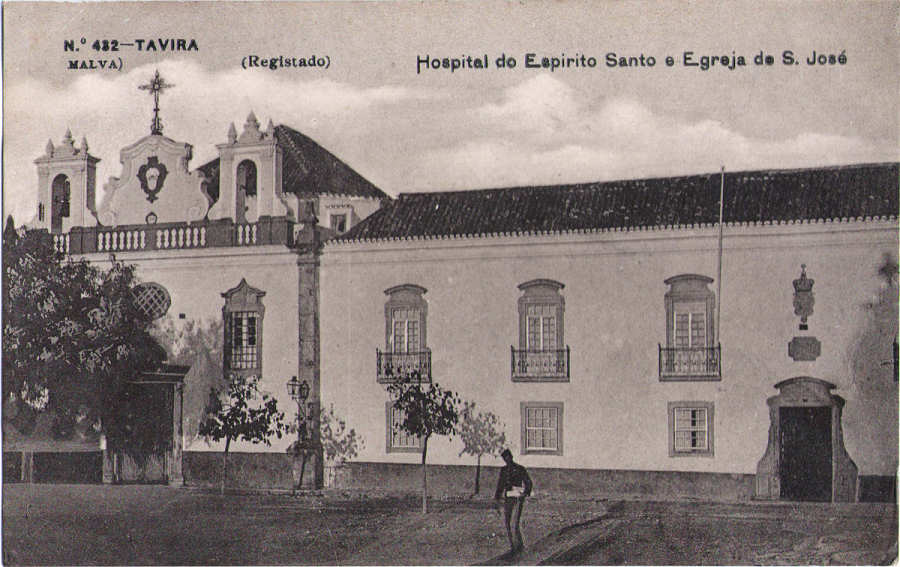
The hospital wing is a long, plain, whitewashed facade with a single baroque gable for decoration, and behind it a modern extension. It is not the architecture that holds people. It is that people from Tavira were treated here for more than five hundred years, and that the last generations remember it themselves; when Santa Casa celebrated São José in 2025, one item on the programme was "Chá e Memórias", afternoon tea with former hospital staff. The museum is three rooms and small against that history. Much disappeared while the building stood empty. But the parchments from the foundation are still there, and the church is still in use.