©Jaimepereira48 (2022)
©Jaimepereira48 (2022)
©Jaimepereira48 (2022)
©Jaimepereira48 (2022)
©Jaimepereira48 (2022)
©Jaimepereira48 (2022)
©Jaimepereira48 (2022)
©Jaimepereira48 (2022)
©Jaimepereira48 (2022)
©Jaimepereira48 (2022)
©Jaimepereira48 (2022)
©Jaimepereira48 (2022)
Palácio e Parque Biester
Introduction
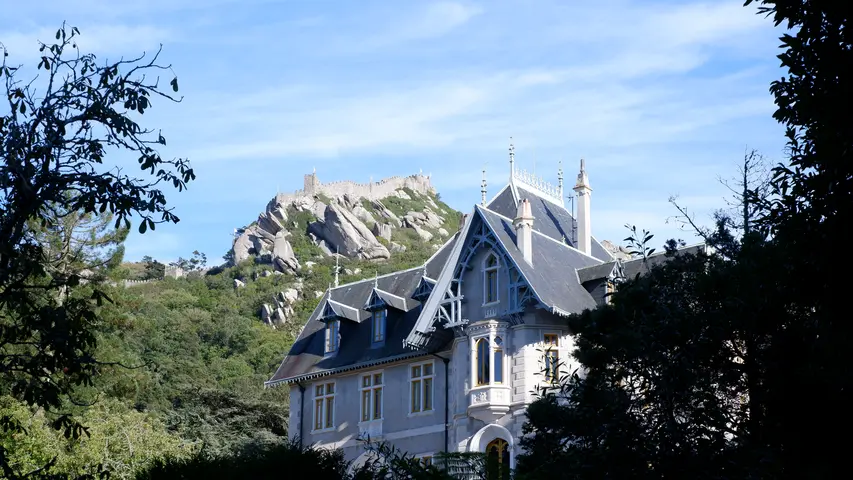
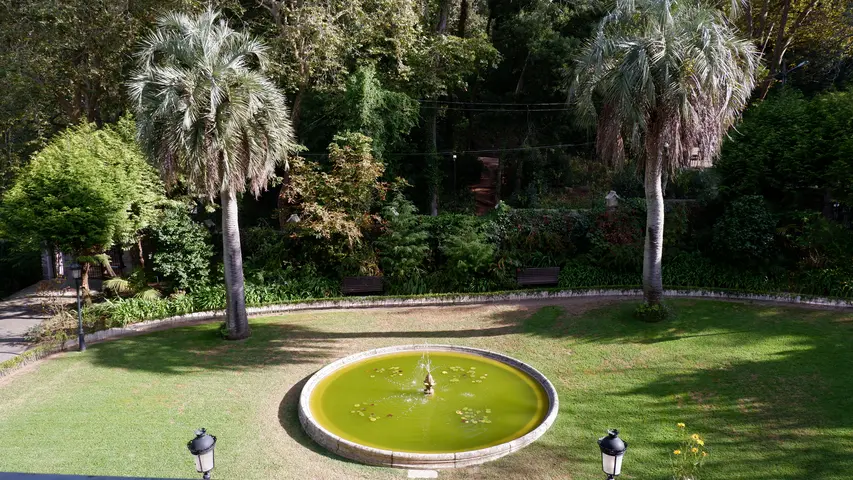
Palácio e Parque Biester in Sintra invites us into a world of Romantic Revival splendor, mystery, and artistry. Designed in the late 1800s for the Biester family, this mansion was a sanctuary of comfort and creativity. Stepping inside today, we’re swept into history by its ornate interiors, lush gardens, and tales of local philanthropy. It’s a living glimpse of Sintra’s golden age—a jewel recently revealed to the public.
Historic Highlights
🏰 Palácio e Parque Biester’s Origins
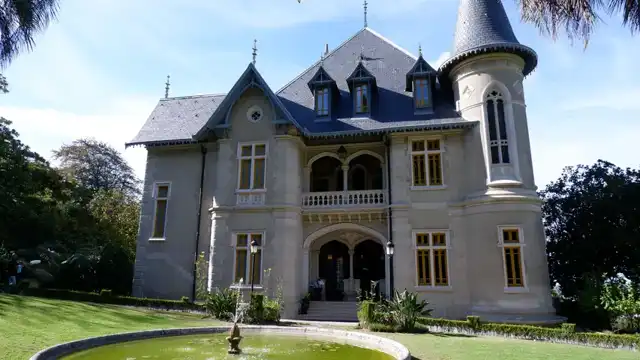
Palácio e Parque Biester first graced Sintra’s wooded hillsides in the late 19th century. Designed by renowned architect José Luiz Monteiro for Ernesto Biester and later completed by his brother Frederico and Amélia Biester, it sprang from a vision of Parisian-inspired luxury set within Portugal’s Romantic landscape.
“Probably the best example in Portugal of bourgeois residential architecture of that era.”
— Direção-Geral do Património Cultural
🎨 Eclectic Design and Artistic Wonders
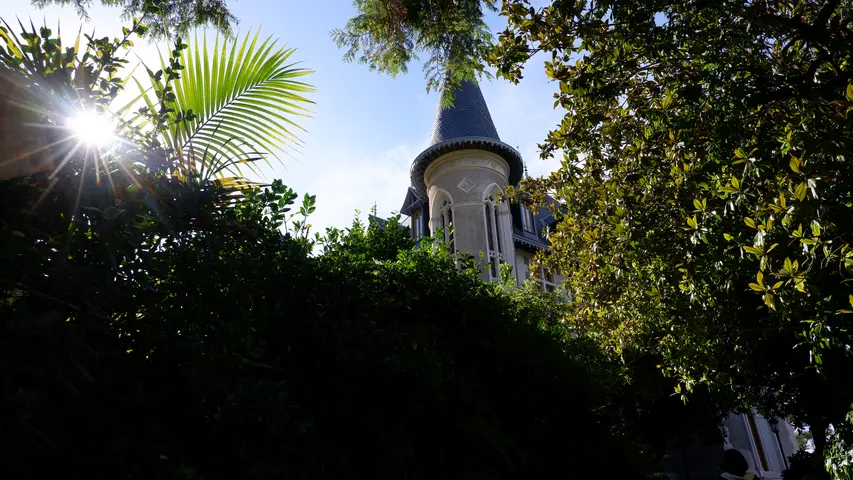
This elegant monument to the Romantic Revival movement marries Neo-Gothic towers, Queen Anne flair, and Arts & Crafts touches. Inside, master woodcarver Leandro Braga’s griffin-guarded staircase and Art Nouveau murals by Luigi Manini dazzle visitors. The music room, with a rare 1880s American organ, and dazzling French stained-glass panels in the private chapel reveal the home’s artistic heart.
🕍 Mystery, Myth, and Innovation
The house boasts two features ahead of its time: a manual-cog elevator by Raoul Mesnier de Ponsard and a master bedroom with an en-suite bathroom—startling luxuries for the period. Local legend often whispered about the “secret lift.” Even today, visitors can glimpse part of its mechanism and imagine the sense of wonder it brought.
“Did you know Chalet Biester had one of the first home elevators in Portugal?”
— Local anecdote, confirmed by restoration
🙏 Sanctity and Symbolism
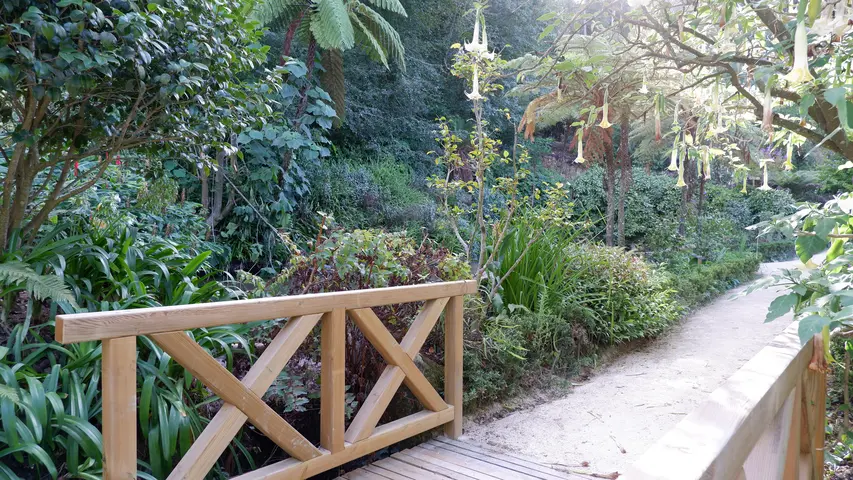
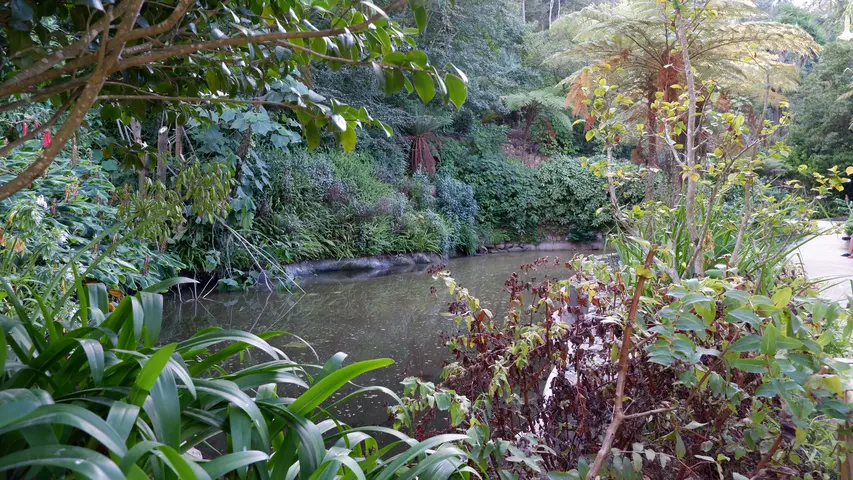
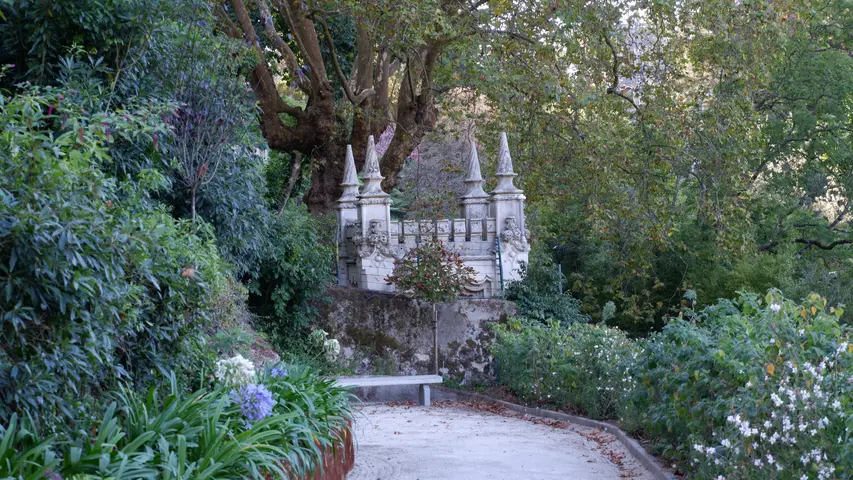
The neo-Gothic private chapel features a starry vault and Templar crosses, with brilliant stained glass showing saints important to the Biesters’ faith. The library’s ceiling paints an enigmatic story in pagan symbols still not fully understood. Such details fed Sintra’s lore of mysticism, blending with romantic gardens full of exotic camellias and ancient ferns.
💡 Visitor Tip
Combine your visit to Palácio e Parque Biester with nearby Quinta da Regaleira—both estates offer unique takes on Sintra’s mysterious, artistic spirit.
Timeline & Context
Historical Timeline
- 1860s–1870s Sintra emerges as elite retreat for royalty and bourgeoisie.
- 1880 Ernesto Biester commissions architect José Luiz Monteiro; Biester dies soon after.
- 1886–1907 Frederico and Amélia Biester complete the estate; French stained glass installed 1889; woodcarving, murals, and tiles added through 1905.
- 1890s Chalet Biester serves as a family home and social venue; private chapel built.
- 1898–1900 Tragedy strikes: the Biesters’ only child dies, then Frederico and Amélia pass away by 1900.
- 1900–1913 Inherited by D. Claudina Chamiço, the country’s wealthiest woman.
- 1904 Sanatório de Sant’Ana, founded by Biester family philanthropy, opens on the coast.
- 1913+ Chalet Biester stays in private hands, little changed, closed to public.
- 1995 Sintra becomes a World Heritage Cultural Landscape; Biester protected by zoning.
- 2010s–2021 Meticulous restoration returns estate to 1900s splendor.
- 2022 Palácio e Parque Biester opens to visitors after a century of secrecy.
Architectural Synthesis and Inspiration
Palácio e Parque Biester showcases the creative heights of Portugal’s late Romantic era. Its founding architect, José Luiz Monteiro, drew from the eclectic vocabularies then flourishing across Europe, merging French Beaux-Arts sophistication with Neo-Gothic flair and the emerging Queen Anne style. Monteiro’s careful site planning gave the “Chalet” both intimacy and dramatic views, optimizing Sintra’s microclimate and scenery.
Unity of Art and Innovation
The house stands as a Gesamtkunstwerk—a total work of art—uniting architecture, sculpture, painting, and stained glass. Interiors benefited from top masters like Leandro Braga (woodcarving), Luigi Manini (murals), Paul Baudry (ceiling frescoes), and Bordalo Pinheiro (ceramic tiles). Technical novelties, from an en-suite bath to Portugal’s first residential elevator, placed Chalet Biester at the threshold of modernity without renouncing tradition.
Symbolism, Faith, and Esoteric Narratives
The Biesters’ personal chapel, replete with starry vault and Templar crosses, points to both religious devotion and the era’s fascination with mystical orders. Their library’s enigmatic symbols link the estate to Sintra’s “esoteric triangle,” echoed in nearby Regaleira. Such flourishes fueled enduring local legends of hidden rites and coded messages, deepening the house’s mystique well into the 20th century.
The Biester Family Legacy and Social Change
Biester philanthropy reached beyond Sintra’s aristocratic circles. After family tragedy from tuberculosis, Frederico and Amélia launched public health initiatives, funding the Sanatório de Sant’Ana with leading physician Sousa Martins. Their heir, Claudina Chamiço, oversaw its completion, cementing the Biester name as a symbol of compassion as well as luxury. This intersection of private grief and public charity distinguishes their place in local memory, softening the palatial home’s elitist image.
Heritage Preservation and Modern Relevance
Chalet Biester’s story illustrates the arc of cultural patrimony in Portugal. Unlike royal palaces, it was rarely altered and its interiors remained pristine due to exclusion from heavy use. Modern restoration, motivated by Sintra’s World Heritage status, respected this legacy—ensuring the site now mirrors its fin-de-siècle aura. Its opening to the public creates new opportunities for education, tourism, and economic activity in Sintra, demonstrating broader trends: repurposing historic estates for sustainable engagement while preserving rare artistic ensembles for future generations. Palácio e Parque Biester, far more than a picturesque monument, embodies the intertwined fates of art, society, and memory across centuries.